View Larger Image
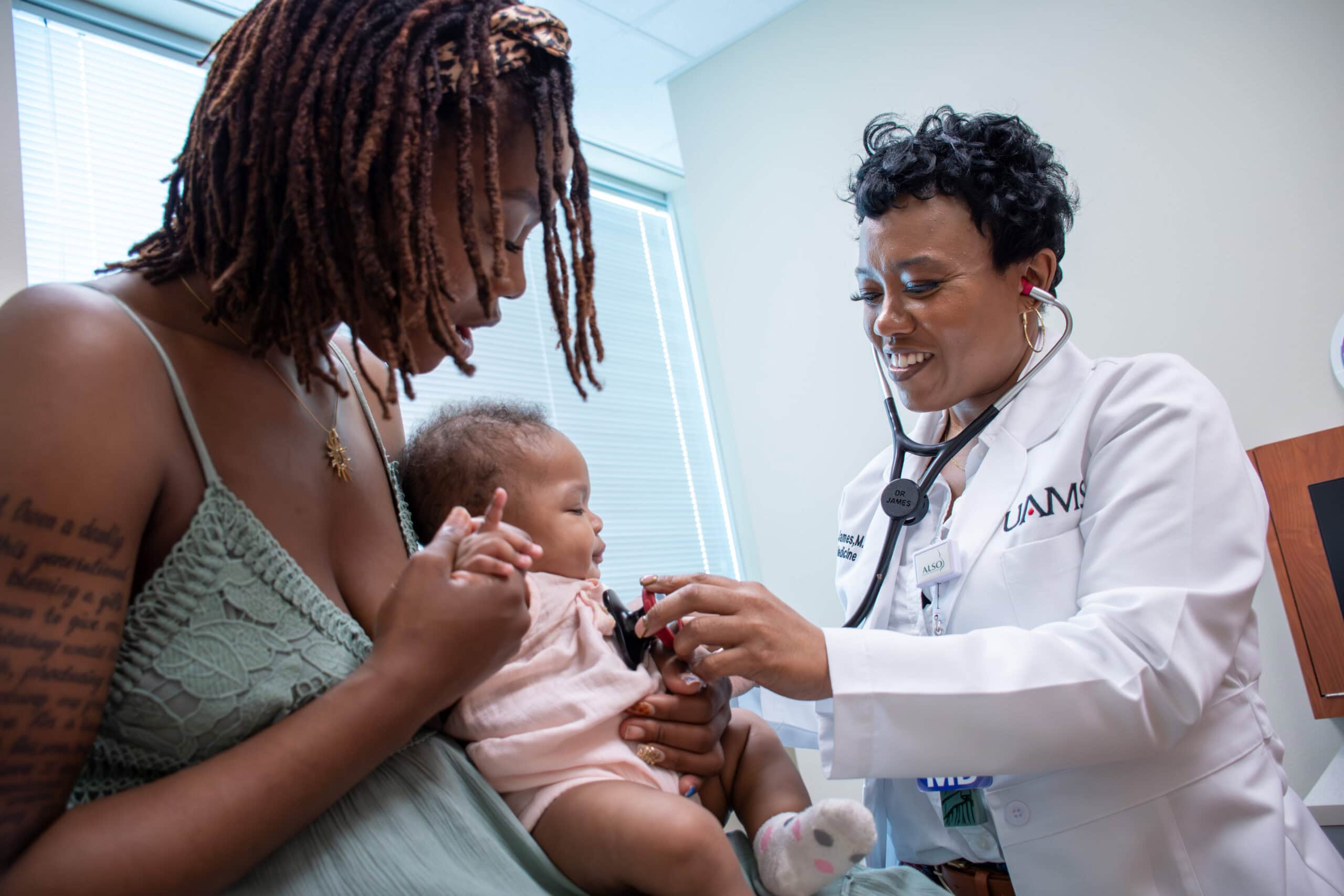
C'Asia James, M.D., a fellow in surgical obstetrics at UAMS Family Medical Clinic in El Dorado, checks a baby's vital signs.
Image by Preston Tolliver
New Rural Health Hub Connects Arkansans to Healthcare Resources, Opportunities
| More than 40% of Arkansans live in rural areas, many with insufficient health care due to a lack of transportation, lack of providers, lack of insurance, and a preponderance of chronic conditions such as diabetes or high blood pressure.
The University of Arkansas for Medical Sciences (UAMS) understands these barriers and has pulled together one website that features all its rural services related to healthcare, education, and social safety net programs.
Previously, UAMS rural health services and programs were scattered across a multitude of pages. UAMS Rural Health Hub makes it easier for patients, providers, students, and community leaders to discover the resources that UAMS offers for tackling rural healthcare issues.
UAMS Chancellor C. Lowry Barnes, M.D., hatched the website idea while he was interim chancellor, understanding rural needs and wanting to offer a one-stop website that showcases all that UAMS offers for rural Arkansas.
“Rural communities across Arkansas face significant challenges, from shortages of health care providers and long travel distances for specialized care to higher rates of chronic disease and barriers to accessing preventive services,” said Barnes. “As Arkansas’ only academic medical center, UAMS is committed to meeting people where they are and working alongside communities to improve health outcomes.
“One important way we do that is by listening. Through visits with our employees who live and work in these communities, as well as meetings with local leaders, healthcare providers, educators, and business leaders, we gain valuable insight into each community’s unique needs. Those conversations help guide our efforts to expand access to care, strengthen our regional programs, and ensure that UAMS remains a trusted partner in improving the health and well-being of all Arkansans.”
Bringing Healthcare Closer to Home
Rural patients can access primary care through UAMS Family Medical Centers in Batesville, Jonesboro, Helena-West Helena, Pine Bluff, El Dorado, Texarkana, Fort Smith, Fayetteville and Springdale. Specialists in cardiology, genetics,, neurology, psychiatry, and transplant care also schedule clinics at many regional campuses. The site includes Interactive maps for each clinic.
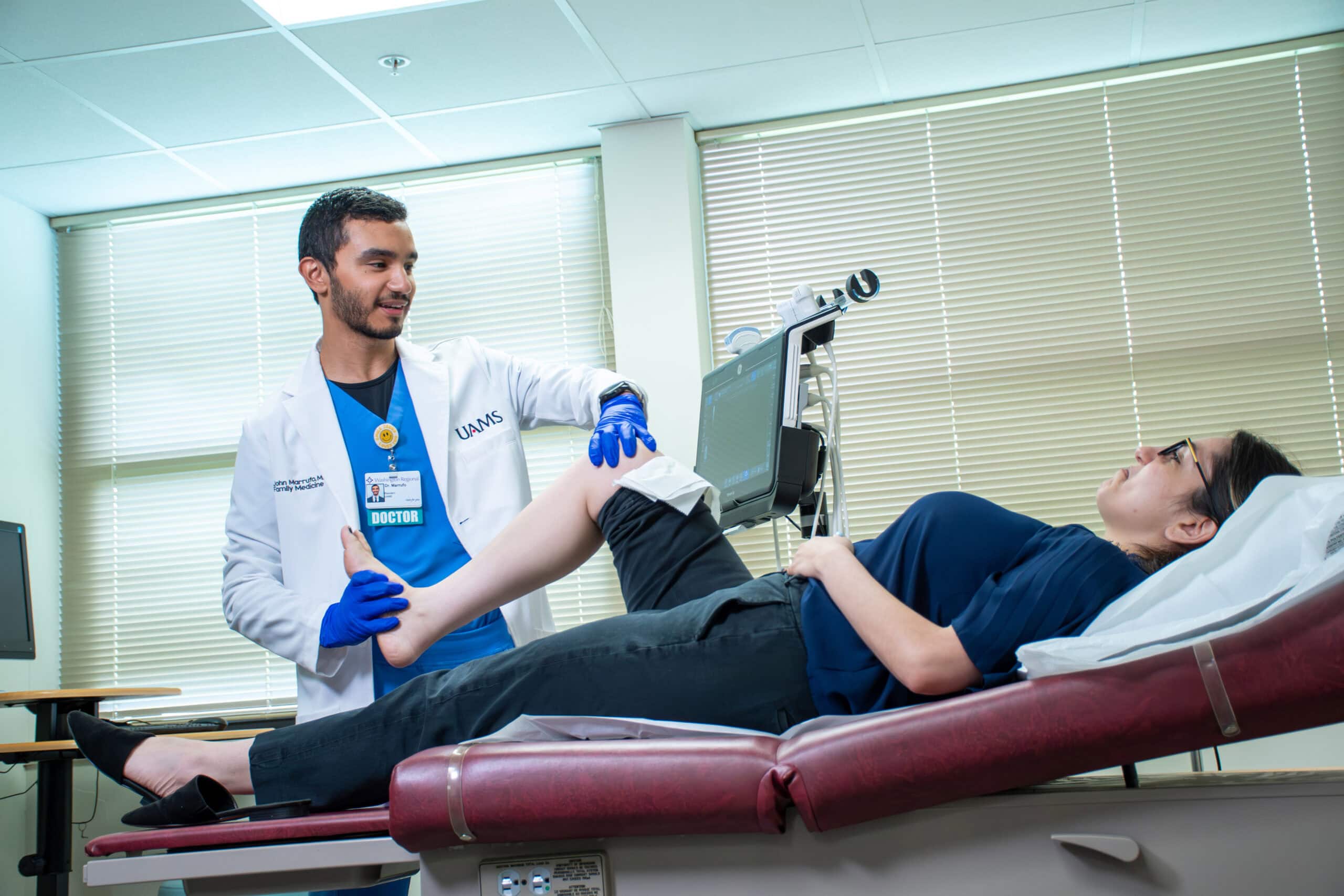
Family medicine resident John Marrufo, M.D., checks a patient’s knee at the UAMS Northwest Family Medical Clinic.Preston Tolliver
Underserved patients can also get free dental care from UAMS dental hygiene students working through the Arkansas Mission of Mercy.
If a patient cannot travel long distances, UAMS HealthNow offers virtual appointments to avoid unnecessary trips to the emergency room. UAMS even has mobile health units that visit communities, offering breast cancer screening and women’s health.
UAMS also empowers patients through PatientsLearn, a service through the Institute for Digital Health Innovation that offers free online education on health and wellness topics.
Closing the Gap on Maternal/Infant Health
Rural mothers and their babies don’t have access to high-quality maternal and infant care that families in larger cities enjoy — 10 Arkansas counties have no obstetricians/gynecologists (OB/GYNs), and there are only 3.8 providers per 10,000 women in rural areas, according to the Arkansas Center for Health Improvement (ACHI).
For mothers-to-be, the CenteringPregnancy® Program combines clinical care, health education, and peer support in group prenatal visits. Other programs such as AR Delta HOPE, HEART Moms, and UAMS MOTHER link families in rural communities with high-quality prenatal, postpartum, and infant care.
The Arkansas Center for Women and Infants’ Health, a UAMS program, gives new moms an “I Gave Birth” bracelet to alert healthcare providers that a woman just delivered a baby. It also ships mother and infant supply kits to new moms, and it operates a postpartum call center that checks on women days after they’ve delivered.
Providers in rural areas may get additional guidance on high-risk pregnancies and caring for newborns with genetic disorders by tapping into UAMS expertise with digital health consultations.
Supporting Rural Providers, Training the Future
The number of primary care providers is spotty in rural areas with only 73 per 100,000, compared to 133 per 100,000 in larger cities, according to ACHI. Some rural areas only have one or two physicians. The Institute for Digital Health Innovation connects local providers with specialists, offering guidance on traumatic injuries, brain injuries, and strokes. The institute also offers virtual, accredited courses so that rural physicians and healthcare professionals can maintain their licenses and certifications without the burden of travel.
Additionally, the site maps out the trajectory of training that UAMS offers for future healthcare professionals, starting as young as junior high school and ending with residencies and fellowships.
“It is critical to engage young people in rural communities regarding health professions,” said Brian Jones, DHSc, vice chancellor of UAMS Regional Campuses. “Sparking that interest at a young age enables people from rural and underserved areas to become physicians, pharmacists, nurses, mid-level providers, and a host of other healthcare workers. The pipelines really come full circle when many of these young people go off to receive their education and then return home to provide care in our rural communities.”
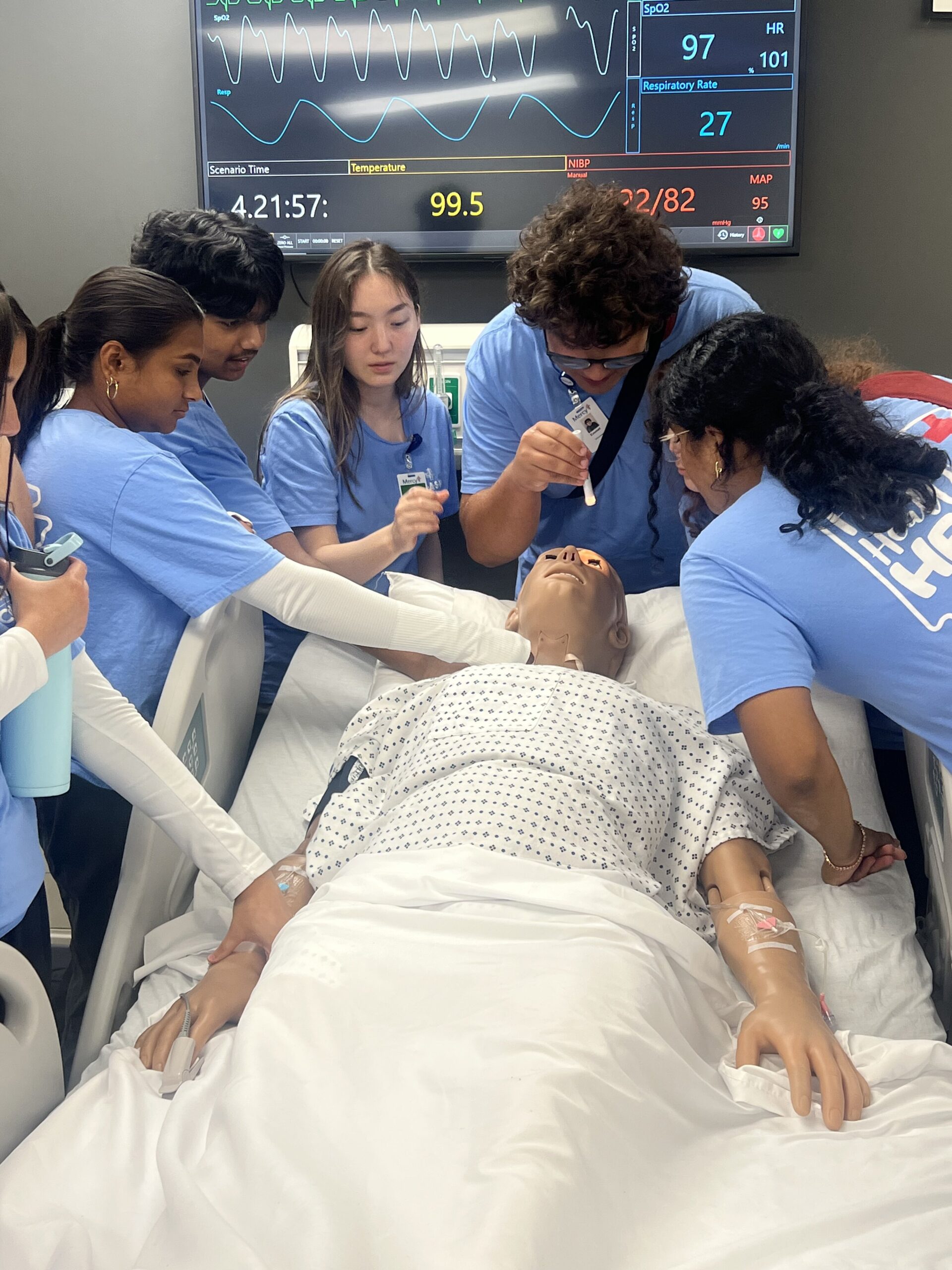
High school students learn the basics of healthcare with a manikin during a MASH camp sponsored by UAMS Regional Campuses.
The pipeline begins when teenage students become interested in healthcare with hands-on learning events such as MASH camps through UAMS Regional Campuses or Academic Pathways and Workforce Partnership’s STEM events for K-12 students. As these students move through college to medical or graduate school, they rotate through rural settings. For those who choose family medicine, UAMS Regional Campuses offer seven three-year rural residencies along with advanced fellowships. UAMS data show that almost 1,600 family medicine doctors in training have graduated from the Regional Campus residency programs, and more than 50% currently practice in the state.
Connecting Beyond the Clinic
In areas where there are provider shortages, the Institute for Community Health Innovation has stepped in to train community health workers who can help rural patients navigate the medical system. The website features how the institute trains these workers to teach patients about managing their diabetes and taps community pharmacies to broaden its reach. The UAMS Winthrop P. Rockefeller Cancer Institute has also planted cancer patient navigators at the regional campuses. These representatives connect rural cancer patients and their families to medical, financial, and social support.
Visitors to the site will find support services and programs for older adults through the Arkansas Geriatric Education Collaborative, too. Support groups offer in-person and virtual support for those living with or caring for loved ones with Alzheimer’s, Parkinson’s or other chronic conditions. The Centers on Aging, part of the UAMS Donald W. Reynolds Institute on Aging, works with UAMS Regional Campuses to offer support groups and coaches for those caring for Alzheimer’s or dementia patients and offers free exercise classes to older adults.
The programs featured in the Rural Health Hub cover a wide range, but they point to a common goal of improving the health and quality of life for people living in Arkansas’ rural communities with one easy-to-access site.