Latex Allergy
Rubber trees
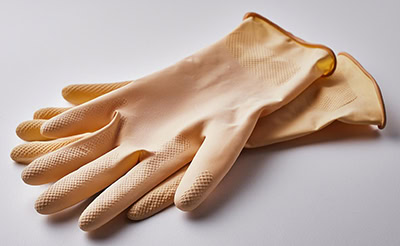
| Download this episode | Latex is made from the sap of rubber trees and is very strong and stretchy. For this reason it is used in a lot of common household items and toys as well as medical equipment. Some of the items that commonly contain latex include balloons, rubber gloves, condoms and elastic in clothing. Some bandages, diapers and clothing such as raincoats may also contain latex. An allergy to latex was first recognized in the late 1970s. Since then, it has become a major health concern as an increased number of people in the workplace are affected. Health care workers exposed to latex gloves or medical products containing latex are especially at risk. It is estimated that between eight and 12 percent of health care workers are latex sensitive. Between 1988 and 1992, the Federal Drug Administration received more than 1,000 reports of adverse health effects from exposure to latex, including 15 deaths due to such exposure. | Latex allergy is a reaction to certain proteins found in natural rubber latex. If you have a latex allergy, your body mistakes latex for a harmful substance. A person who is allergic to latex will likely have symptoms after touching latex products such as gloves or balloons. They may also have symptoms if they breathe in latex particles that are released into the air when someone removes latex gloves. Latex allergy symptoms can range from mild to serious. A reaction depends on how sensitive someone is to latex and the amount of latex they touch or inhale. The symptoms can range from itching, skin redness and hives or a rash to sneezing, a runny nose, a scratchy throat or difficulty breathing. The most serious allergic reaction is anaphylaxis, which can be deadly. An anaphylactic reaction develops immediately after latex exposure in highly sensitive people although it rarely happens the first time someone is exposed. | In a latex allergy, the immune system identifies latex as a harmful substance and triggers certain antibodies to fight it off. The next time there is a latex exposure, these antibodies tell the immune system to release histamine and other chemicals into the bloodstream. This process produces a range of allergy symptoms. The more times someone is exposed to latex, the more strongly their immune system is likely to respond. This is called sensitization. A latex allergy can be caused by direct contact with latex-containing products, including latex gloves, condoms and balloons. It can also be caused by inhaling latex particles like those released when someone removes latex gloves. The amount of airborne latex from gloves differs greatly depending on the brand of glove used. Not all latex products are made from natural sources. Products containing synthetic materials, such as latex paint, are unlikely to cause a reaction. | It may surprise you but certain fruits contain the same allergens that are found in latex. These include avocados, bananas, chestnuts, kiwis and passion fruit. If you’re allergic to latex, you have a greater chance of also being allergic to these foods. Diagnosis of a latex allergy begins with a physical exam and medical history. Your health care provider may also have you do a skin or blood test to help identify your allergic triggers. Allergy skin testing is not easily available in the United States to diagnose a latex allergy but a blood test can be done. If you have latex antibodies in your blood, you may be allergic to latex. Latex antibodies are substances your body makes in response to latex allergens. Some allergy specialists, doctors called allergists, will recommend a trial of exposure to latex to confirm an allergy. This can cause severe allergic reactions and should only be done under the supervision of an allergist. | If you are allergic to latex, you should always tell any doctor, dentist, or person who draws blood from you about your allergy. More and more, people wear gloves in the workplace and elsewhere to protect their hands and avoid germs. Many of these gloves are not made of latex, but some are. If people use latex products in your workplace, be sure to tell your employer that you are allergic to latex. You should also wear a medical alert bracelet so that others know you are allergic to latex in case you have a medical emergency. Before eating at a restaurant, ask if the food handlers wear latex gloves when handling or preparing food. Proteins from the latex gloves can transfer to food and kitchen surfaces. It’s also a good idea to carry a pair of vinyl or other non-latex gloves with you and have more at home. You should wear them when you handle items that someone who wore latex gloves touched or may have latex in them.
Transcript
Certain proteins
Transcript
Harmful substance
Transcript
Certain fruits
Transcript
Tell your dentist
Transcript