Metabolism
Alive and functioning
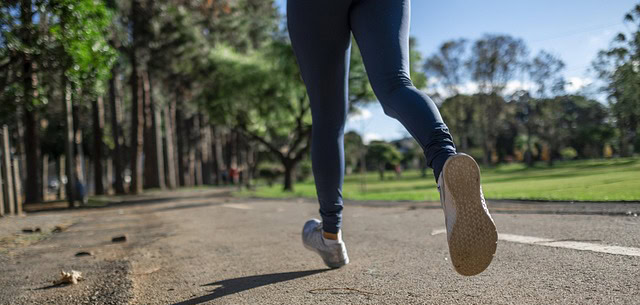
| Download this episode | You’ve heard the term and probably used it numerous times, but what exactly is metabolism? Simply put, metabolism is how your body turns food and drink into energy to keep you alive and functioning. It’s made up of all the chemical processes happening in your body’s cells every second. These processes help you breathe, move, heal and more. Keeping these processes balanced is called homeostasis. It’s what keeps your body running smoothly. When we think about metabolism, we often focus on how our bodies burn calories from food and drinks. This is known as your metabolic rate and includes the energy your body uses for functions like breathing and keeping your heart beating, the energy necessary to digest and process food and the energy your body uses for physical activities. Your metabolism is a complex system that plays a huge role in your overall health, not just how many calories you burn. | Your metabolism is how your body uses energy, which ultimately comes from the sustenance you consume, for everything your body does. In general, metabolism consists of two main processes, catabolism and anabolism. Catabolism is the breakdown of macronutrients, carbohydrates, protein and dietary fats, that you consume into their simpler forms. For example, your body breaks down carbohydrates into glucose, which enters your blood as blood glucose, or sugar. Your body also stores glucose as glycogen, mainly in your muscles and liver. These macronutrients are the basis of the fuel your body uses for all its cells. Anabolism is the opposite of catabolism. Your body takes smaller units like amino acids and puts them together to create bigger structures, like proteins. Anabolism is essential when you get an injury, and your body has to heal. It’s also essential for bone growth and building muscles. | Many people think metabolic problems are responsible for weight gain or loss. But your metabolism naturally regulates itself to meet your body’s specific needs. It’s rarely the sole cause of weight gain or loss. In many cases, if your body uses more calories than you take in, you’ll lose weight and vice versa. But several factors affect how many calories your body needs, many of which are hard to predict or know. So what’s the difference between a fast metabolism and a slow metabolism? Someone with a fast metabolism or fast basal metabolic rate, or BMR, burns a lot of calories even while at rest. If you have a slow metabolism or slow BMR, your body needs fewer calories to keep it going. Your metabolic rate alone doesn’t determine your body size, and vice versa. The bottom line is calories count. To lose weight, you need to eat fewer calories or burn more calories through physical activity. Or you can do both. | Metabolism is the process by which the body changes food and drink into energy. During this process, calories in food and drinks mix with oxygen to make the energy the body needs. Even at rest, a body needs energy for all it does. This includes breathing, sending blood through the body, keeping hormone levels even, and growing and repairing cells. The number of calories a body at rest uses to do these things is known as the basal metabolic rate, also called basal metabolism. Muscle mass is a key factor in basal metabolic rate, but it also depends on other factors. People who are larger or have more muscle, for example, burn more calories, even when they are at rest. And men usually have less body fat and more muscle than women of the same age and weight. That means men burn more calories. Aging also has an impact on the basal metabolic rate, as people tend to lose muscle the older they get. | You can’t easily manage your basal metabolic rate, a measure of how quickly your body burns energy, in the form of calories, while at rest. The more active you are, the more calories you burn. In order to burn more calories, the Physical Activity Guidelines for Americans recommends you get at least 150 minutes of moderate aerobic activity a week. Moderate aerobic exercise includes activities such as brisk walking, biking, swimming and mowing the lawn. Aim for a brisk walk for 30 minutes five days a week to meet your goal. Vigorous aerobic exercise includes activities such as running, heavy yardwork and aerobic dancing. You should also do strength training exercises for all major muscle groups at least two times a week. Strength training can include the use of weight machines, your own body weight, heavy bags, resistance tubing or resistance paddles in the water or activities such as rock climbing.
Transcript
Uses energy
Transcript
Gain or loss
Transcript
Muscle mass
Transcript
Burn calories
Transcript