UAMS Receives Three-Year Grant to Boost Brain Injury Services, Support
| The University of Arkansas for Medical Sciences (UAMS) recently received a three-year, grant from the Administration for Community Living (ACL) to improve access to coordinated services and support for Arkansans with traumatic brain injuries.
The grant funding includes matching funds from the Arkansas Department of Health (ADH). The total funding for the first year is $299,260, with $199,260 coming from ACL and $100,000 coming from ADH. The UAMS Brain Injury Program has received this grant each year since 2018.
The ACL/ADH grant supports strengthening the statewide brain injury care network. Activities include conducting a statewide needs assessment, improving resource navigation and referral pathways, strengthening the state’s Brain Injury Council and state plan, creating a caregiver-led network across all five public health regions, and expanding brain injury screening and support in community settings. The project also aims to increase survivor and caregiver participation in statewide decisions, reduce service gaps and access barriers, strengthen cross-agency collaboration, and support greater independence and community participation.
The Arkansas Brain Injury Council is made up of survivors, caregivers, and service agency representatives. It was created under an agreement with ACL through its TBI State Partnership Grant Program, with a mission to build a statewide plan for policies and services.
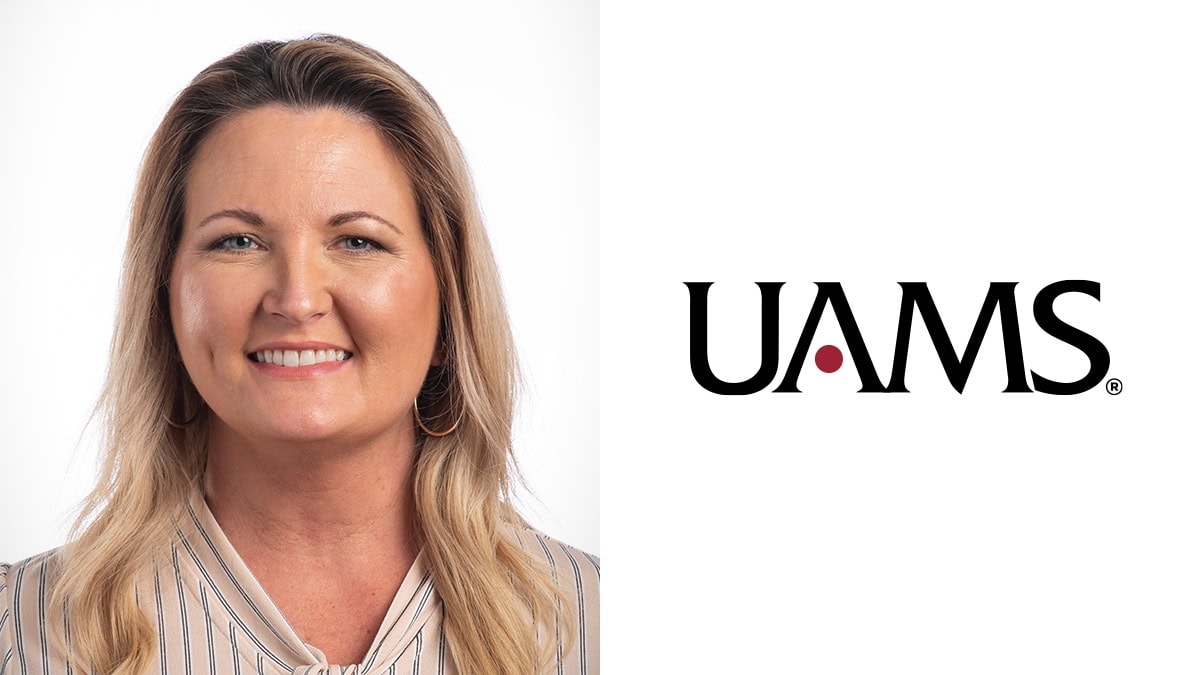
“We are honored that the Administration for Community Living has entrusted us with continued funding to advance our work,” said Coral Robison, PT, DPT, the program’s director of operations. “This project represents an important opportunity to bring survivors, caregivers, professionals, and community partners together to build a stronger, more responsive system that improves quality of life for people affected by brain injury across Arkansas. We are excited to see this vision become reality over the next three years.”
The Brain Injury Program is the lead program for brain injury in Arkansas, and its services are free. It has partnered with entities throughout the state to provide educational and professional resources for people living with a brain injury, including information for their family members, caregivers, and health care providers. Its primary funding comes from the Arkansas Department of Health as part of a trauma rehabilitation grant.
In recent years, the program has trained local law enforcement on how to better recognize and respond to brain injuries and has helped bring national attention to brain injury advocacy and care in Arkansas. Each year, the program hosts a celebration day for brain injury survivors, as well as an annual symposium on trauma and rehabilitation.