UAMS Receives $2.9 Million to Study Fetal Alcohol Spectrum Disorders
| LITTLE ROCK — The University of Arkansas for Medical Sciences (UAMS) has received a $2.9 million federal grant to study fetal alcohol spectrum disorders (FASD) and associated neurologic aftereffects, with the goal of discovering new treatments and preventions. This research aims to prevent disability and life-changing conditions that negatively impact our youngest patients.
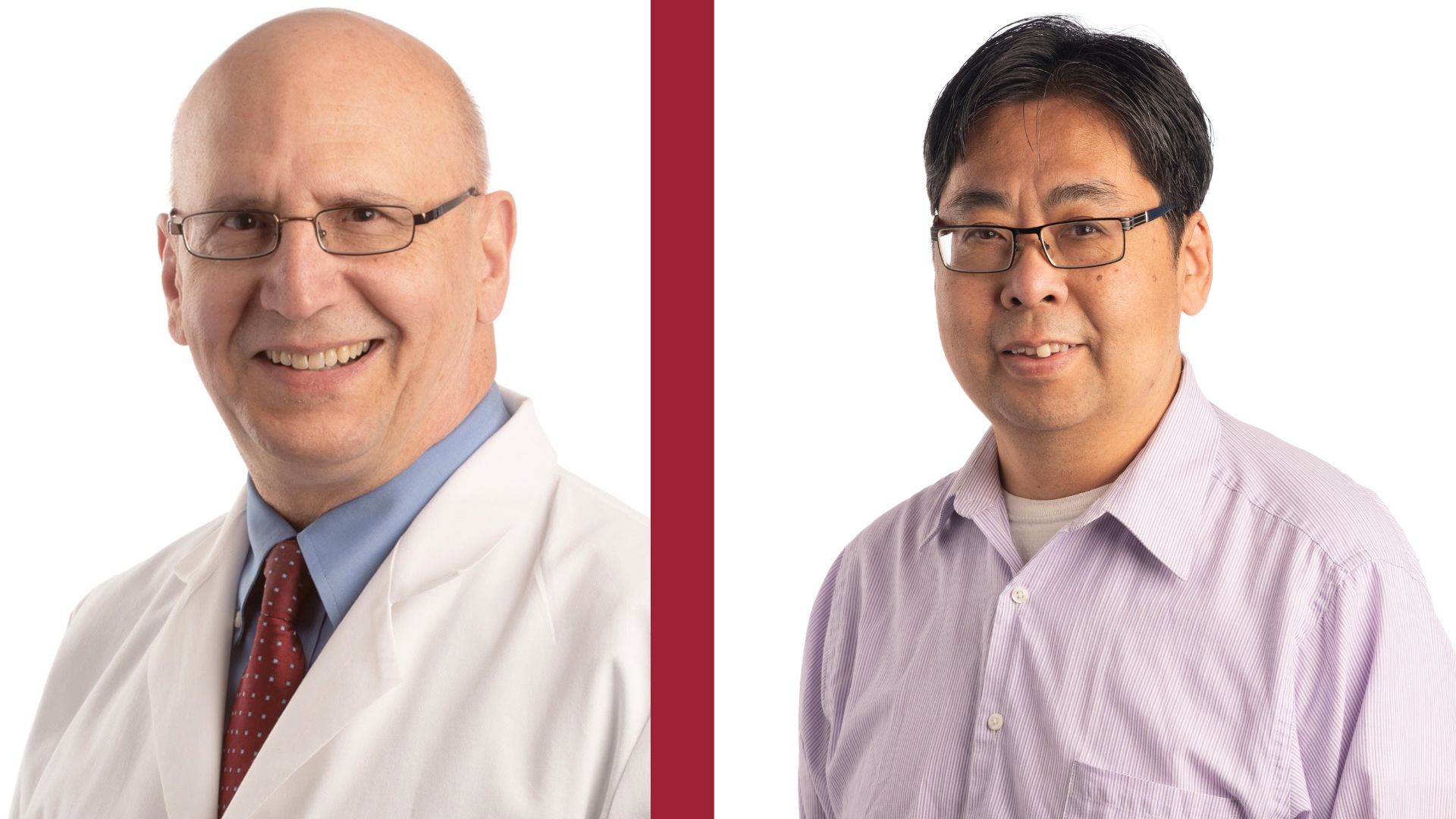
Paul D. Drew, Ph.D., professor and chair of the UAMS College of Medicine Department of Neuroscience, will lead the study, which is funded by the National Institutes of Health for five years, through 2030.
Drew will be collaborating with Ania Majewska, Ph.D., a professor at the University of Rochester Medical Center in New York, and Fang Zheng, Ph.D., a professor in the Department of Neuroscience at UAMS.
FASD includes a wide range of physical, behavioral, and cognitive impairments that are caused by alcohol exposure during pregnancy. They cause neurological deficits in almost 5% of children born in the United States, resulting in long-term disabilities.
According to the NIH, “alcohol exposure during pregnancy can result in FASD by interfering with the development of the baby’s brain and other critical organs and physiological functions. This can lead to deficits after birth and beyond. Alcohol can disrupt development at any stage, even before a woman knows that she is pregnant.”
“This NIH grant will allow us to better understand how alcohol damages the fetal brain and could lead to new treatments for FASD,” Drew said.
“Individuals with FASD experience day-to-day challenges, which may include cognitive and behavioral impairments as well as secondary disabilities including medical, educational, mental health, and social challenges, throughout their life,” the NIH said.
People with FASD may experience difficulties with learning and memory, understanding and following directions, switching attention between tasks, controlling emotions and impulsivity, communicating and developing social skills, and performing daily life skills including feeding, bathing, counting money, telling time, and minding personal safety. They may also experience depression and anxiety.
“Our studies indicate that alcohol damages cells that produce a substance called myelin, which is critical for communicating information within the brain,” Drew said. “It is hoped that by protecting these myelin producing cells, we can protect babies from the devastating effects of alcohol.”
Research reported in this release was supported by the National Institute on Alcohol Abuse and Alcoholism of the National Institutes of Health under Award No. 1R01AA032932-01. This content does not necessarily represent the official views of the NIH.
UAMS is the state’s only health sciences university, with colleges of Medicine, Nursing, Pharmacy, Health Professions and Public Health; a graduate school; hospitals in Little Rock and Bryant; an orthopaedic hospital; a main campus in Little Rock; a Northwest Arkansas regional campus in Fayetteville; a statewide network of regional campuses; and seven institutes: the Winthrop P. Rockefeller Cancer Institute, Jackson T. Stephens Spine & Neurosciences Institute, Harvey & Bernice Jones Eye Institute, Psychiatric Research Institute, Donald W. Reynolds Institute on Aging, Translational Research Institute, and the Institute for Community Health Innovation. UAMS includes UAMS Health, a statewide health system that encompasses all of UAMS’ clinical enterprise, including partnering hospitals in Pine Bluff, Helena-West Helena, Mena, and Warren. UAMS is the only adult Level 1 trauma center in the state. UAMS has 3,813 students and 1,030 medical residents and fellows, and two dental residents. It is the state’s largest public employer with about 12,000 employees, including 1,200 physicians who provide care to patients at UAMS, its regional campuses, Arkansas Children’s, the VA Medical Center and Baptist Health. Visit www.uams.edu or uamshealth.com. Find us on Facebook, X (formerly Twitter), YouTube or Instagram.
###