Expansion of Doula Workforce, Statewide Collaboration Leading to Positive Impact on Maternal Health in Arkansas
| LITTLE ROCK — The rapid expansion of Arkansas’ doula workforce is playing a vital role in improving maternal and infant health outcomes across the state, according to researchers from the University of Arkansas for Medical Sciences (UAMS) Institute for Community Health Innovation.
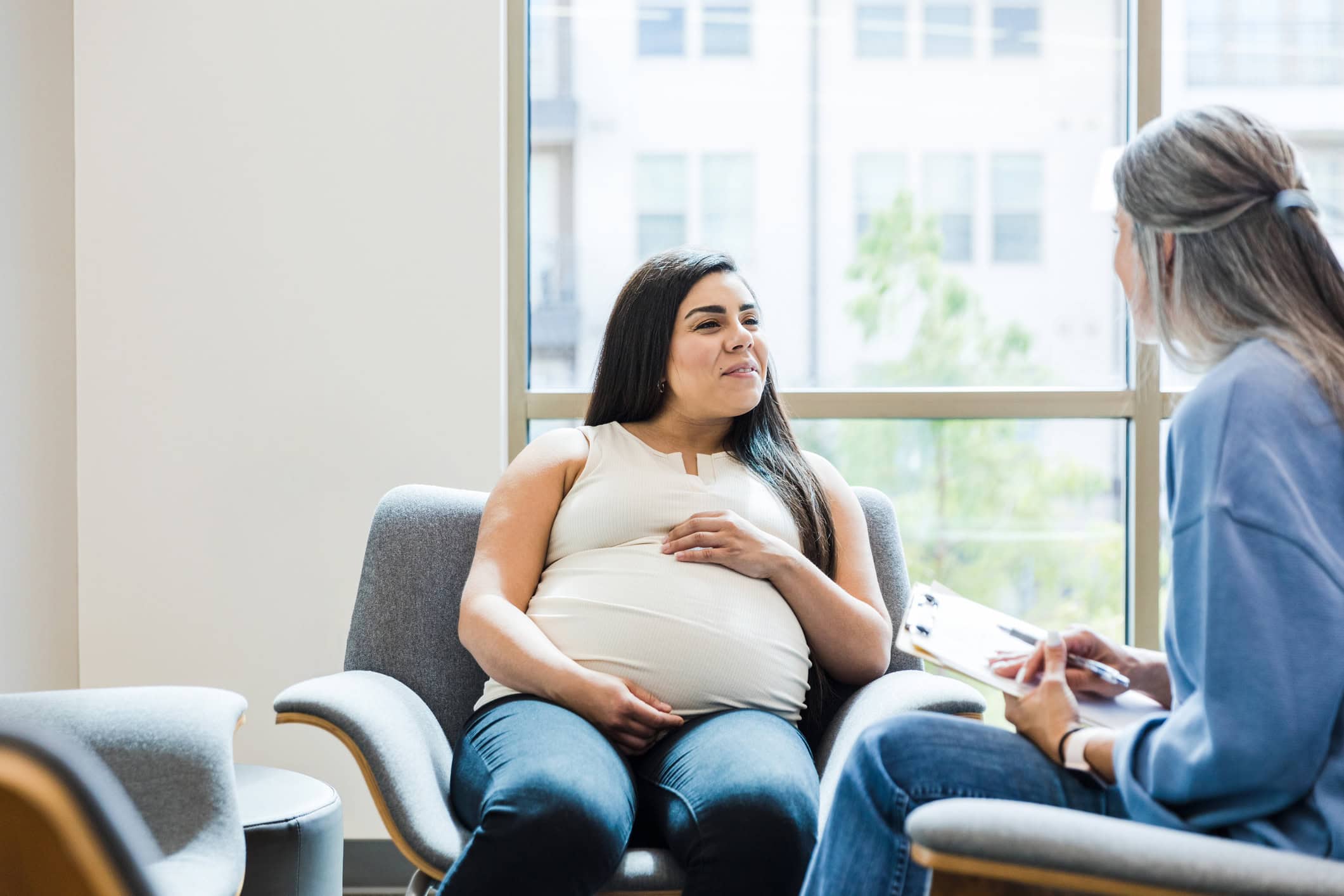
Doulas are trained professionals who provide continuous physical, emotional, and educational support throughout pregnancy, birth, and the postpartum period. A growing body of research links doula-supported care with reductions in preterm birth, cesarean delivery, labor complications, and postpartum depression, as well as increased breastfeeding initiation and improved patient satisfaction.
Published by the Southern Medical Journal, the study, “The Evolution of Doula Care in Arkansas,” details Arkansas’ relatively rapid growth of doula infrastructure. Early grassroots efforts include the establishment of the Northwest Arkansas Doula Connection in 2013 and Ujima Maternity Network in 2018. By championing doula collaboration and broadening awareness of doula support throughout Arkansas, these organizations laid the groundwork for the formation of the Doula Alliance of Arkansas in 2023. The alliance now serves as the state’s unified professional organization, working closely with policymakers and healthcare leaders to advance certification standards and reimbursement pathways.
In addition to establishing organizational infrastructure, Arkansas lawmakers passed two bipartisan pieces of legislation: the Healthy Moms, Healthy Babies Act and the Doula Act. These acts were signed into law in 2025 and established Medicaid reimbursement pathways and standard education and certification requirements for doulas.
“These milestones represent years of collaboration among doulas, clinicians, policymakers, and community leaders,” said Pearl McElfish, director of the Institute for Community Health Innovation. “While progress has been significant, we remain focused on identifying innovative strategies to continue the expansion of the doula workforce by refining certification processes, developing Medicaid billing guidance, strengthening referral pathways, and building a statewide doula directory.”
Arkansas continues to face significant negative maternal and infant health challenges, including high rates of preterm births, low birth weight, and maternal and infant mortality. With nearly all 75 Arkansas counties designated as medically underserved, the expansion of the doula workforce is critical for improving maternal health outcomes, McElfish said.
The UAMS Institute for Community Health Innovation has played a central role in the advocacy and expansion of the doula workforce. Beginning in 2022, the institute collaborated with state and community organizations to train and expand doula services across 33 Arkansas counties. More than 100 doulas have been trained through scholarship-supported programs prioritizing rural and underserved communities. Earlier this summer, the American College of Obstetricians and Gynecologists (ACOG) released guidance that encouraged stronger partnerships between clinicians and doulas to improve patient outcomes.
“What makes Arkansas’ story so compelling is that doulas have been showing up for families in the spirit of community care long before any formal infrastructure existed, said Hannah McHardy, senior director of programs at the institute. “This research captures the grassroot spirit and reflects how statewide collaboration has built a career pathway to train, certify, and reimburse doulas so more families can receive the wrap-around support doulas provide.”
The institute recently piloted the Advancing Doula and Perinatal Teams (ADAPT) Toolkit at Mercy Hospital Northwest Arkansas to support doula integration into hospital settings and improve maternal health by strengthening collaboration between doulas and clinical care teams. For more information about the ADAPT Toolkit or the institute’s Doula Expansion initiative, visit uams.health/doula.
UAMS is the state’s only health sciences university, with colleges of Medicine, Nursing, Pharmacy, Health Professions and Public Health; a graduate school; a hospital; a main campus in Little Rock; a Northwest Arkansas regional campus in Fayetteville; a statewide network of regional campuses; and seven institutes: the Winthrop P. Rockefeller Cancer Institute, Jackson T. Stephens Spine & Neurosciences Institute, Harvey & Bernice Jones Eye Institute, Psychiatric Research Institute, Donald W. Reynolds Institute on Aging, Translational Research Institute, and the Institute for Community Health Innovation. UAMS includes UAMS Health, a statewide health system that encompasses all of UAMS’ clinical enterprise. UAMS is the only adult Level 1 trauma center in the state. UAMS has 3,553 students and 1,030 medical residents and fellows, and two dental residents. It is the state’s largest public employer with about 12,000 employees, including 1,200 physicians who provide care to patients at UAMS, its regional campuses, Arkansas Children’s, the VA Medical Center and Baptist Health. Visit www.uams.edu or uamshealth.com. Find us on Facebook, X (formerly Twitter), YouTube or Instagram.###