UAMS Part of Clinical Study Exploring Blood Pressure Instability Treatment for People With Spinal Cord Injury
| LITTLE ROCK — The University of Arkansas for Medical Sciences (UAMS) is recruiting candidates experiencing symptomatic blood pressure instability following chronic spinal cord injury for a worldwide clinical study involving a new medical device intended to manage the instability.
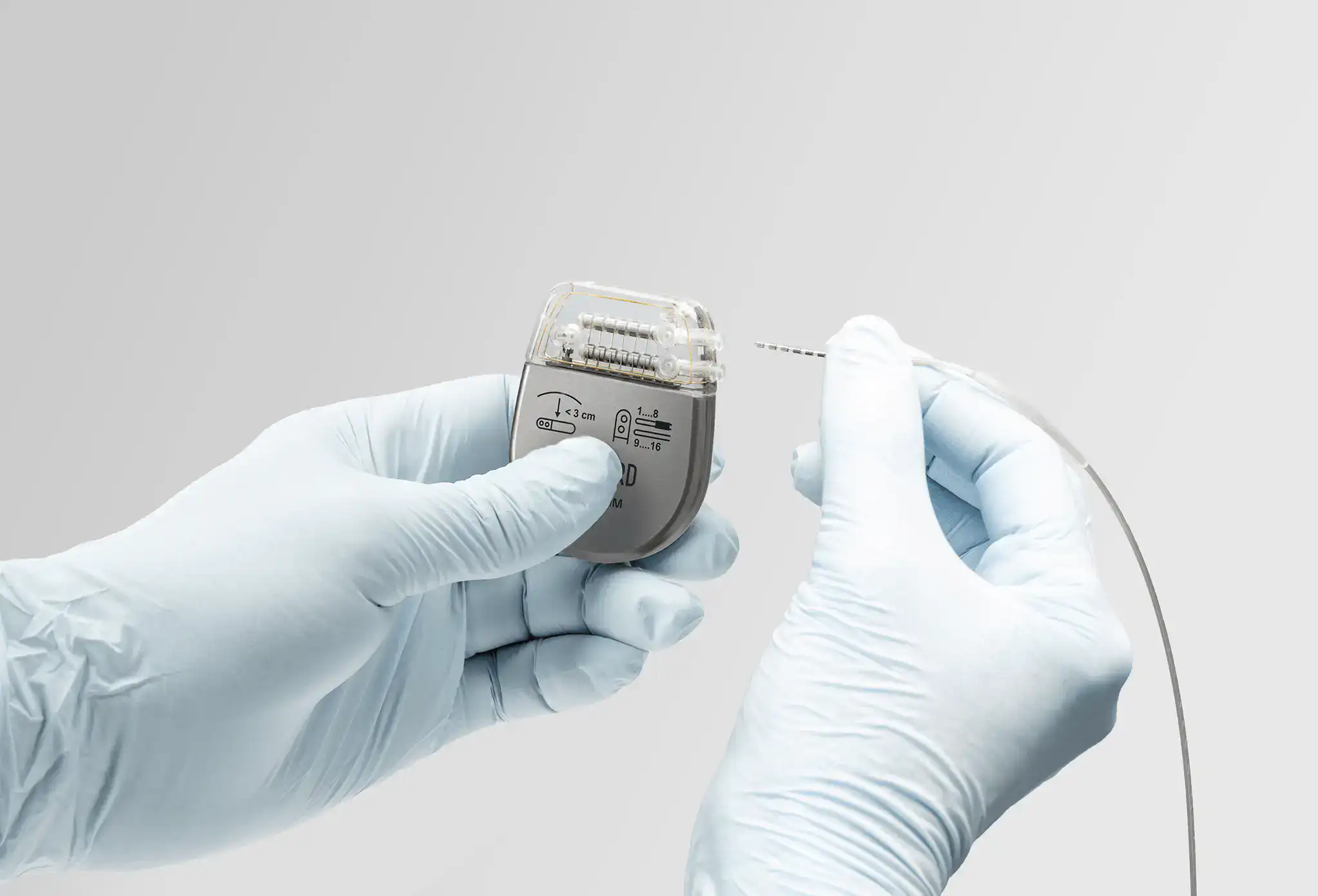
The Empower BP global pivotal study is evaluating the safety and effectiveness of Onward Medical’s implantable ARCIM System, which is designed to address symptomatic blood pressure instability in individuals with chronic spinal cord injury (SCI) more than one-year post-injury. Candidates aged 18-75 are currently being recruited.
The study is a randomized, controlled, double-blinded study enrolling participants at leading centers across the United States, Canada, and Europe. UAMS is one of 12 sites in the U.S. that is part of the study.
“Blood pressure instability after spinal cord injury affects health and quality of life, and medications often do not help,” said Erika Petersen, M.D., a professor in the UAMS College of Medicine Department of Neurosurgery and a member of the UAMS study team. “This research is looking into nondrug ways to improve these symptoms.”
Following SCI, blood pressure can fluctuate between inappropriately low and high values due to disruptions in the autonomic nervous system, with symptoms that can be severe and debilitating.
The investigational ARCIM System is an implantable device that delivers targeted, programmed stimulation of the spinal cord to address symptomatic blood pressure instability in people with SCI. Using a neurostimulator, the system targets a region in the thoracic spinal cord containing a high density of neurons that regulate blood pressure, intending to reduce symptoms associated with blood pressure instability after SCI.
The primary effectiveness objective of the study is to evaluate the device and determine whether it provides a clinically meaningful improvement in objective and symptomatic sustained orthostatic hypotension resulting from chronic SCI.
Interested in participating in the study or in learning more? Visit onwd.com/empower-bp/.
According to Onward Medical, about 300,000 people live with chronic SCI in the U.S., with about 70% having cervical or high thoracic SCI. Injuries at these levels disrupt the input to the spinal cord circuits that regulate heart rate and vascular tone.
Due to the sympathetic disruption, people with SCI experience prolonged episodes of low blood pressure (hypotension) accompanied by a low heart rate. This condition is worsened by daily activities that involve postural changes, exertion, or meals.
The repetitive bouts of hypotension increase the risk of cardiovascular events due to cyclical stress on the heart’s and brain’s blood vessels and are linked to progressive mental and cardiac decline.
Hypotension limits exercise capacity and rehabilitation engagement and is also linked to poor mental health and accelerates cognitive decline, impacting social and professional engagement. Lastly, hypotension is linked to chronic fatigue, which is seven times more common after SCI.
Likewise, SCI can result in severe hypertensive episodes (high blood pressure) that can fluctuate rapidly and occur several times per day. Sudden blood pressure increase is linked to life-threatening complications, including cerebral and subarachnoid hemorrhage, cardiac arrhythmias, or pulmonary edema.
Due to this condition, people with SCI have a three- to four-fold increased risk for stroke and heart disease compared to uninjured individuals.
UAMS is the state’s only health sciences university, with colleges of Medicine, Nursing, Pharmacy, Health Professions and Public Health; a graduate school; hospitals in Little Rock and Bryant; an orthopaedic hospital; a main campus in Little Rock; a Northwest Arkansas regional campus in Fayetteville; a statewide network of regional campuses; and seven institutes: the Winthrop P. Rockefeller Cancer Institute, Jackson T. Stephens Spine & Neurosciences Institute, Harvey & Bernice Jones Eye Institute, Psychiatric Research Institute, Donald W. Reynolds Institute on Aging, Translational Research Institute, and the Institute for Community Health Innovation. UAMS includes UAMS Health, a statewide health system that encompasses all of UAMS’ clinical enterprise, including partnering hospitals in Pine Bluff, Helena-West Helena, Mena, and Warren. UAMS is the only adult Level 1 trauma center in the state. UAMS has 3,813 students and 1,030 medical residents and fellows, and two dental residents. It is the state’s largest public employer with about 12,000 employees, including 1,200 physicians who provide care to patients at UAMS, its regional campuses, Arkansas Children’s, the VA Medical Center and Baptist Health. Visit www.uams.edu or uamshealth.com. Find us on Facebook, X (formerly Twitter), YouTube or Instagram.###