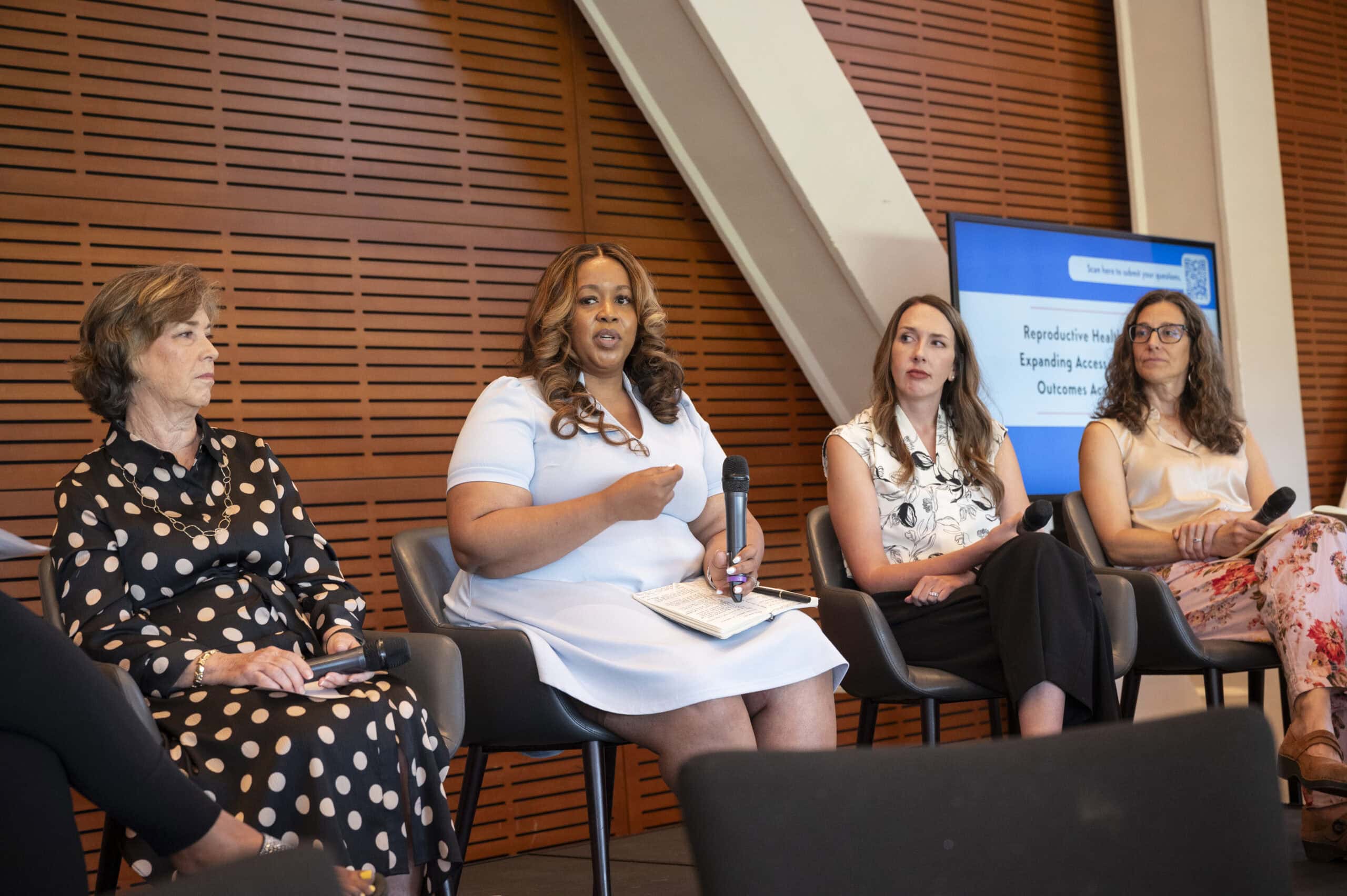
UAMS Co-hosts Fourth Maternal Health Roundtable
| Healthcare providers, policy makers, and community partners with a shared interest in improving maternal and infant health in Arkansas recently gathered at the William J. Clinton Presidential Library to assess ongoing efforts and set future priorities.
The Arkansas Maternal Health Roundtable, hosted by the Arkansas Center for Women and Infants’ Health at the University of Arkansas for Medical Sciences (UAMS) and the Arkansas Hospital Association (AHA), gathered Aug. 20 for its fourth meeting in Central Arkansas and Northwest Arkansas since early 2024.
That’s when a $5 million Congressional appropriation to UAMS funded the creation of the center to serve as a central hub for efforts to reduce Arkansas’ high rate of maternal and infant deaths.
“One of the things we’ve learned at these roundtables is just how valuable it is to get people together in the room who may be approaching maternal health from different angles and different perspectives, because there’s no single organization, hospital provider, policy, or program that will solve the challenges moms and babies are facing in Arkansas,” Nirvana Manning, M.D., chair of UAMS Department of Obstetrics and Gynecology and executive director of the center, said in her welcoming remarks.
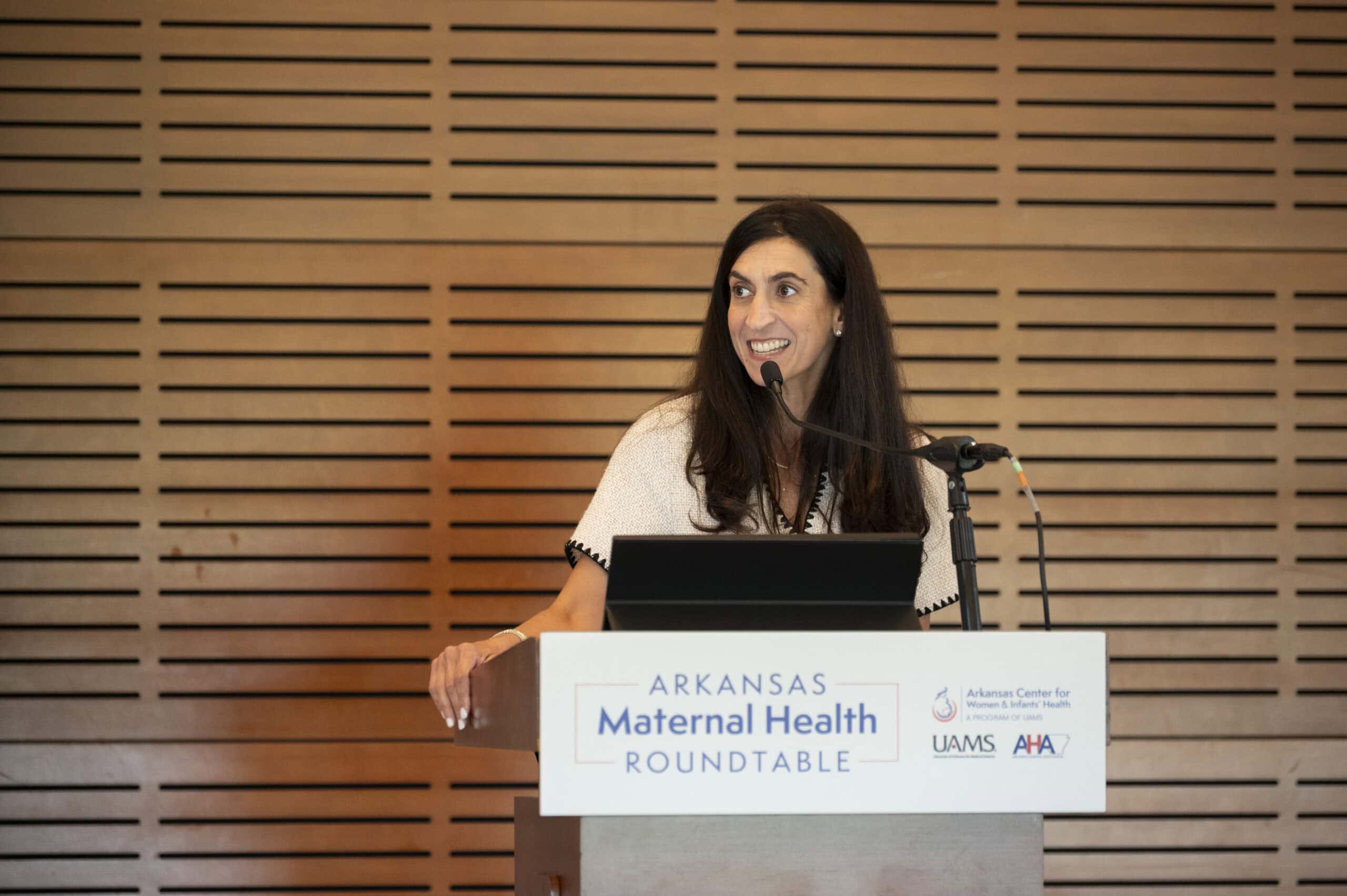
Nirvana Manning, M.D., director of the Arkansas Center for Women and Infants’ Health at UAMS, updates attendees on the state of maternal health in Arkansas since the roundtable last convened.Evan Lewis
“We may come from different backgrounds, we may work in different communities, and we may see different pieces of the maternal health landscape in our day-to-day work,” said Jodiane Tritt, J.D., executive vice president of the AHA, “but we are all here for the same reason. We want to make Arkansas a better and safer place to have and raise a baby.”
Manning and Tritt provided an overview of measures being implemented across Arkansas to ensure that adequate care and resources are available to expecting and postpartum moms and their children.
Among these are the Healthy Moms, Healthy Babies Act of 2025, signed by Gov. Sarah Huckabee Sanders, which provides about $45 million annually to improve maternal health in Arkansas by establishing presumptive Medicaid eligibility for pregnant women awaiting approval; increasing Medicaid reimbursements for obstetric services to encourage more providers to participate; unbundling covered services to make them easier to obtain; and providing reimbursement pathways for doulas and community health workers.
The speakers said the reimbursement pathways aren’t yet fully implemented but are necessary for success — as is the expansion of Medicaid coverage for postpartum moms for a full year after delivery, when most maternal and infant deaths occur. Both issues are likely to be taken up when the Arkansas General Assembly meets for its next regular session in early 2027.
The call for expanding Medicaid was a main topic of the panel moderated by journalist Roby Brock and featuring Arkansas lawmakers Rep. Aaron Pilkington, Rep. Ashley Hudson, Rep. Kendra Moore, and Sen. Missy Irvin.
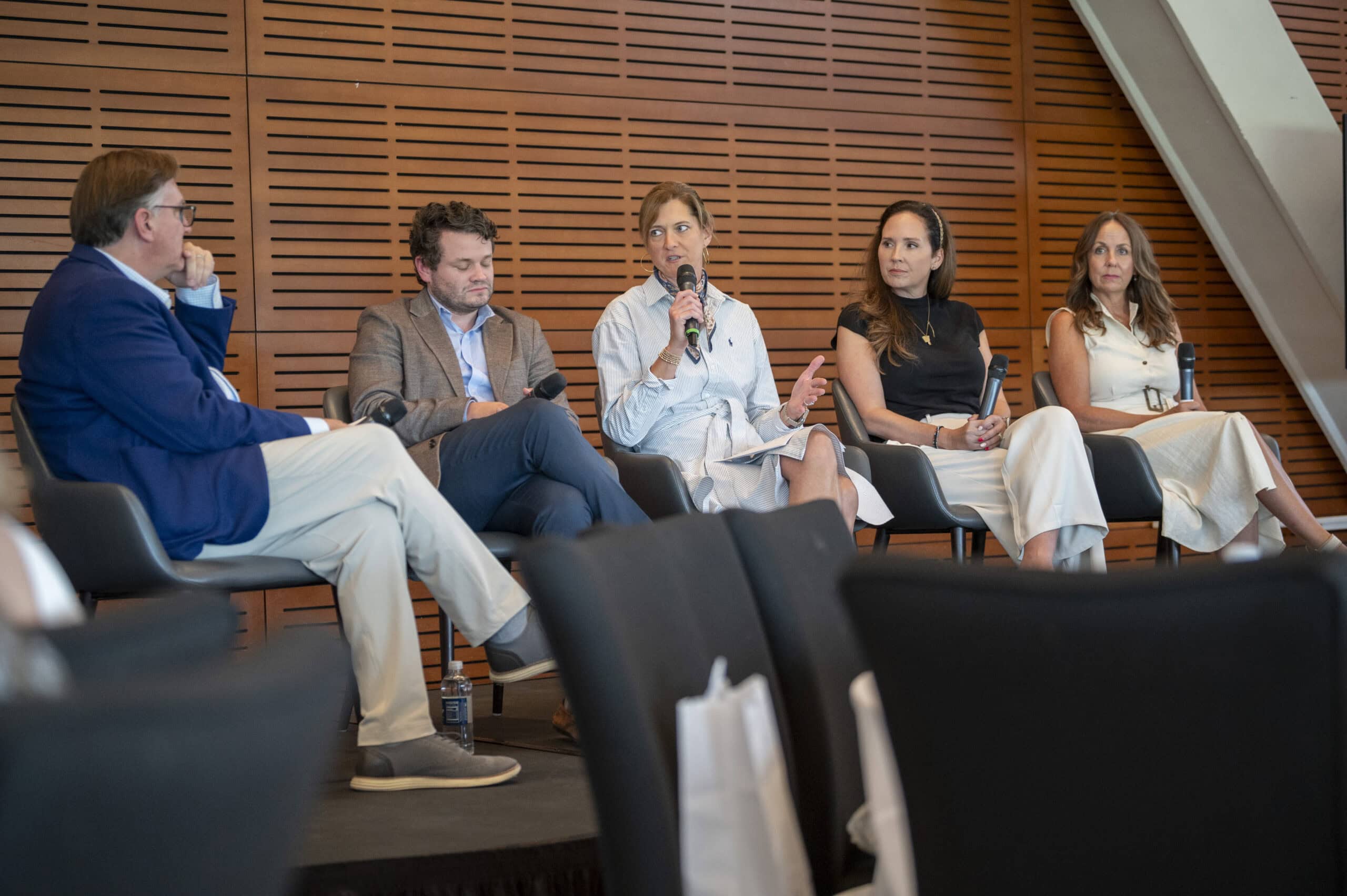
Roby Brock moderates a discussion with state lawmakers on maternal and infant health.Evan Lewis
Both Pilkinton and Hudson reiterated their commitment to passing legislation extending postpartum Medicaid coverage. Hudson called it “the single-most important thing that we could do in the next session,” adding that it was a way to protect the millions of dollars the state has invested in the Healthy Moms, Healthy Babies Act.
Irvin, who sponsored Healthy Moms, Healthy Babies with Pilkington and Hudson, told the audience that she plans to sponsor legislation on family leave policies in the next session.
Manning also discussed the ongoing statewide implementation of the center’s three initiatives: distributing Mother and Infant Supply Kits to every mother immediately after delivery; providing bracelets for postpartum moms to alert others of their condition and risk of complications, and to connect them to resources; and having nurses directly contact every postpartum mom after delivery to ensure they and their babies are receiving the care they need.
“Maternal health has received unprecedented attention and activity in the last several years,” Manning said, “but what matters is: Is this activity changing health outcomes? Are we making a difference for moms and families in the state? We want to take stock of both — what has moved forward, and what still needs sustained work.”
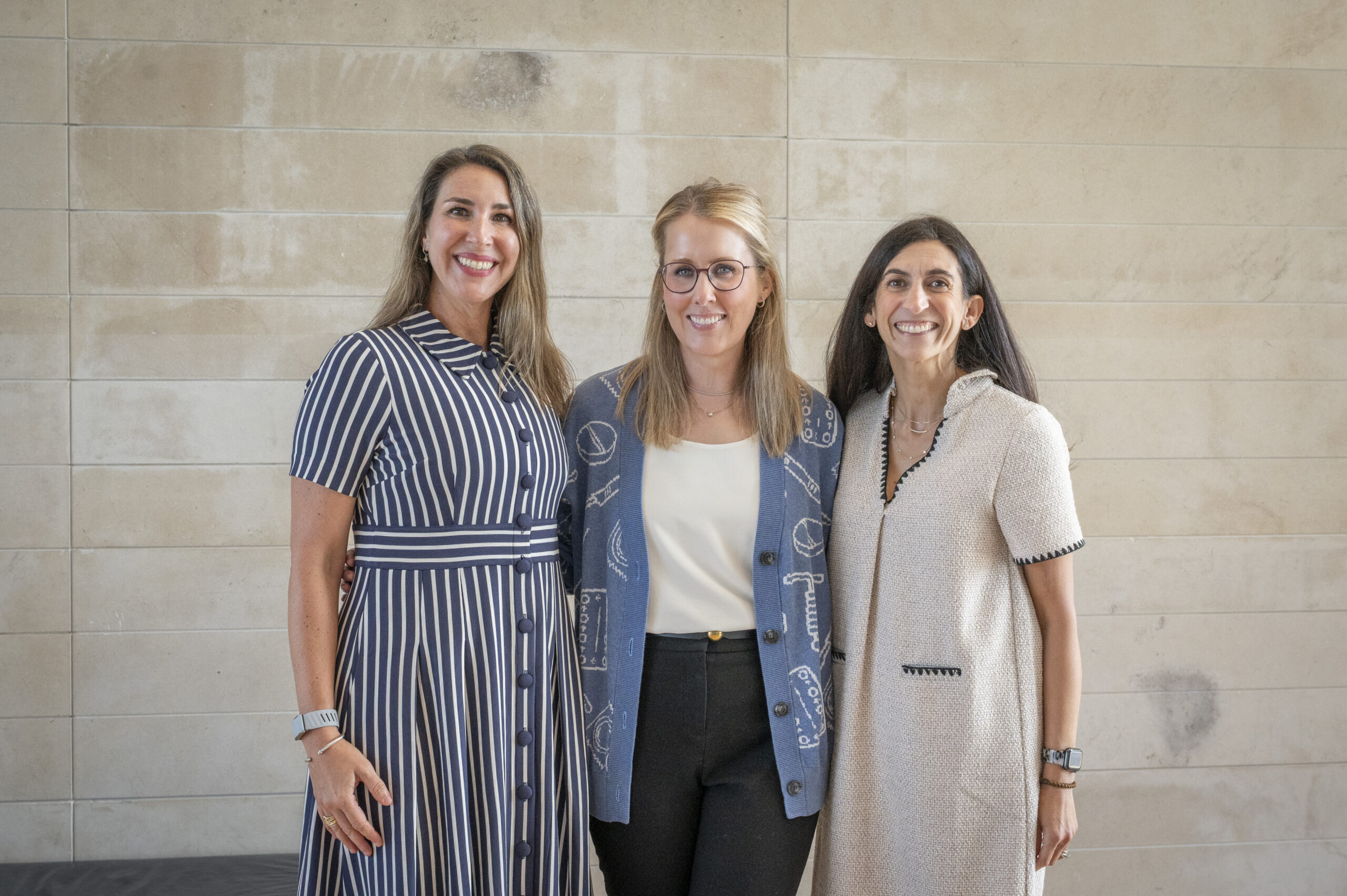
Jodianne Tritt, executive vice president of the Arkansas Hospital Association, poses with “Dr. Fran” Haydanek, M.D., and Nirvana Manning, M.D.Evan Lewis
“Awareness, education, and statewide collaboration have definitely increased,” Tritt said, referring to the overlapping initiatives. “Maternal health is now being discussed well beyond OB departments. So, it’s increasingly part of the conversation among hospital leaders, policymakers, community organizations, and the public, which is really good.”
“The larger question,” Manning said, “is whether Arkansas can move from policy and program creation to consistent implementation. One of the most important remaining gaps sits directly in the postpartum period.”
The Postpartum Call Center, the third initiative of the Arkansas Center for Maternal and Infants’ Health, is asking postpartum moms if Medicaid is their insurance provider and if so, if they need help with reapplying, in an effort to address “a six-week gap in healthcare coverage after delivery for mothers who had been receiving weekly healthcare visits,” Tritt said. “Most of these programs that will help them in the postpartum period are unattainable to patients without a source of insurance, so we have to make sure they have a sustainable form of insurance going forward.”
Tritt applauded ongoing efforts by the state Department of Health to improve access to care. “I love that the local health units are serving as a first door in our communities too, which gives women really another way to access the system.”
The governor, who later shared the stage in a “fireside chat” with Olivia Walton, founder and CEO of Bentonville-based Ingeborg Initiatives that is focused on improving women’s health outcomes in Arkansas, said the availability of prenatal and postpartum care at those units is the focus of a new “Claim Your Care” campaign, which the state is promoting with the help of an advertising agency.
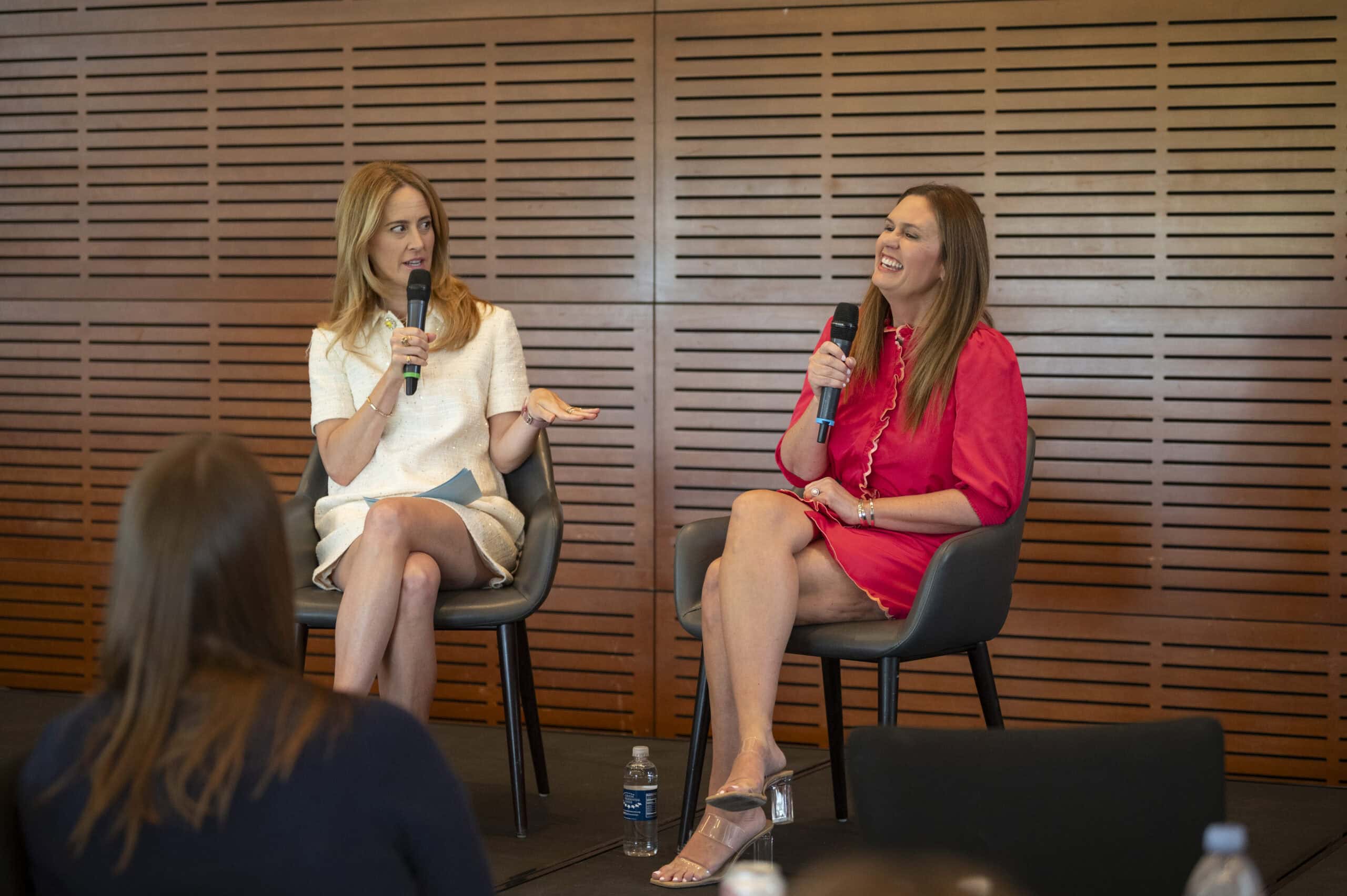
Olivia Walton, founder of Healthy Moms Healthy Babies America, has a “fireside chat” with Gov. Sarah Huckabee Sanders on efforts to improve maternal and infant health in Arkansas.Evan Lewis
Sanders noted that about 10,000 of the roughly 35,000 pregnant women in Arkansas each year don’t see a doctor until the end of their first trimester, and about 1,100 don’t see a doctor until they go into labor. She said the local health units not only provide pregnancy care but can also connect those women with doctors and other resources.
In February, Walton founded the national Healthy Moms, Healthy Babies America campaign, which is aligned with the state law and hopes to cut maternal mortality in half nationwide by May 2031. The United States has the highest maternal mortality rate in the developed world.
The keynote speaker at the event was Franziska V. Haydanek, M.D., medical director of obstetrics at Rochester Regional Health in New York and a popular online educator about obstetrics and gynecology.
Haydanek said her goal is to combat the enormous amount of misinformation about contraception in online videos, saying most describe contraception, particularly intrauterine devices, as something to be feared.
As a result, she said, “many of our patients come into the system not trusting the system,” despite the credentials of medical professionals.
She suggested healthcare professionals in the audience combat TikTok videos and Facebook reels by taking the time to “provide a straight, unhurried, nonjudgmental answer” to patients’ questions, being careful not to use too much medical language but instead offering “short and clear explanations.”
Haydanek suggested even giving educational videos to their patients with the words, “Here are some content creators that I trust.”
Speaking directly to legislators in the room, she noted that in many states, pharmacists can prescribe contraceptives. She urged legislators to require insurance plans to cover a 12-month supply of contraceptives in a single visit, “to make it easier for patients to get the care that they want.”
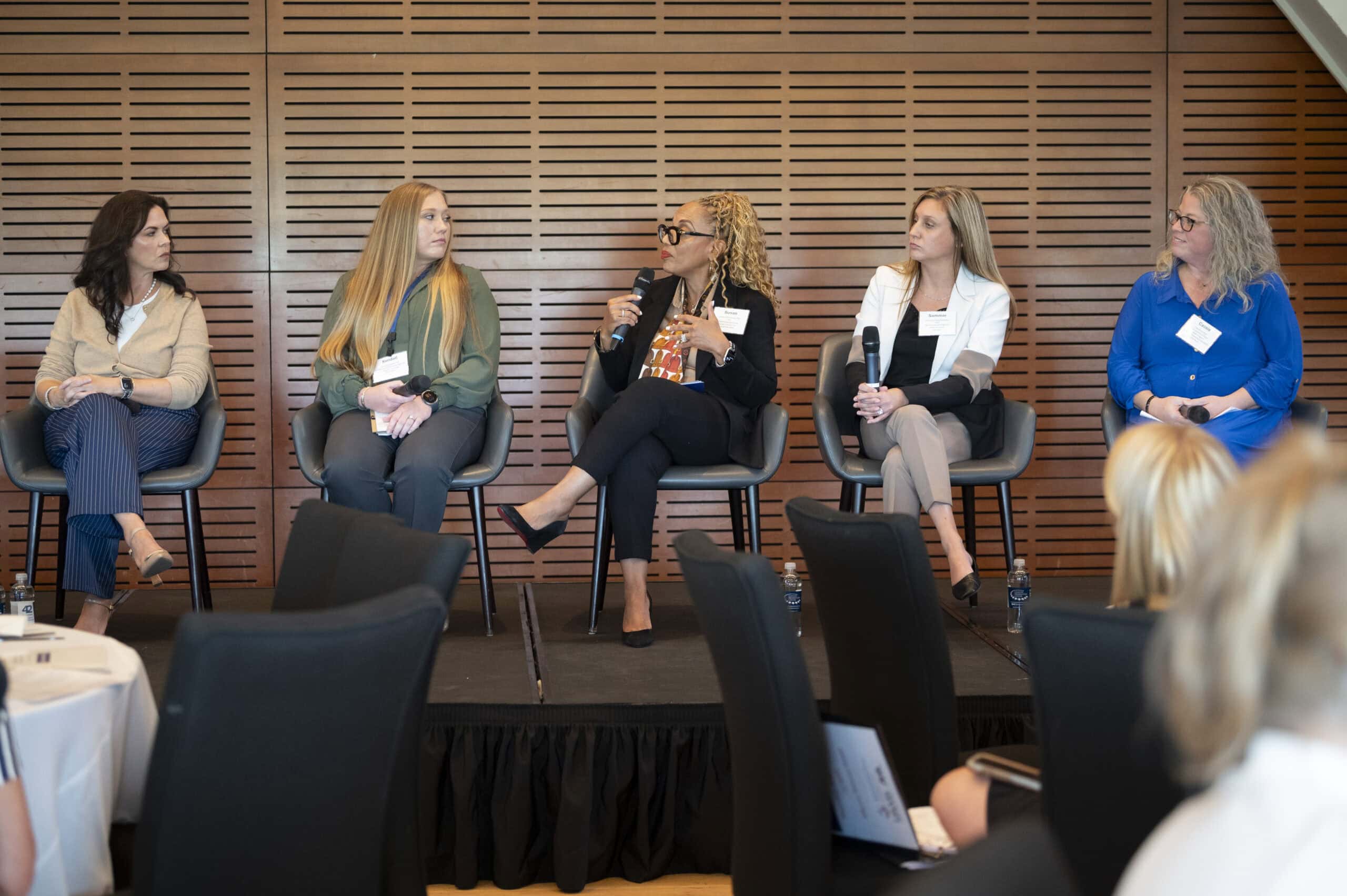
Panelists discuss The Rural Perspective: Sustaining Access to Care in Arkansas Communities.Evan Lewis
During a panel discussion on expanding access to reproductive care and improving health outcomes, Nicki Hilliard, Pharm.D., director of professional affairs at the Arkansas Pharmacists Association and professor emeritus at the UAMS College of Pharmacy, said that about 200 pharmacists in Arkansas prescribe birth control for patients covered by Blue Cross Blue Shield and can use the opportunity to ensure women have been properly immunized and are visiting their doctors for ongoing care.
Keesa Smith-Brantley, executive director of the nonprofit Arkansas Advocates for Children and Families, noted that “there is a very important tie between unplanned pregnancies and poverty.”
“We are now recognizing the extreme importance of doulas, midwives, and community health workers” in maternal health circles, she said.
The panel was led by former Arkansas Rep. John Burris of Boone County who is recognized as a thought leader on insurance and Medicaid policies. Other panelists were Hope Crenshaw, Ph.D., executive director of Teen Health Arkansas; Emily Goucher, director of women’s health at Community Clinic Northwest Arkansas and a board-certified women’s health nurse practitioner; and Kelly Conroy, RN, senior director of programs at the UAMS Arkansas Center for Women and Infants’ Health.
Asked what it takes to expand reproductive health care in communities with limited services, Conroy said it is most important to provide training and proper tools for providers and resources already in those communities, “and the support that they need to be able to offer a broader range of care.”
Conroy also cited mobile units, like those UAMS uses in parts of the state to bring specialized care to underserved areas, implementing standardized reproductive health screening, and asking patients nonjudgmental questions in the prenatal phase.
“Postpartum is the most difficult time to ask someone to navigate our health care system said Goucher. “They just had a baby, right? They may have had surgery. They may have had a complicated delivery. They’re sleep-deprived. They’re taking care of a newborn. They might be taking care of other kids. They may have lost their coverage 60 days after they delivered.”
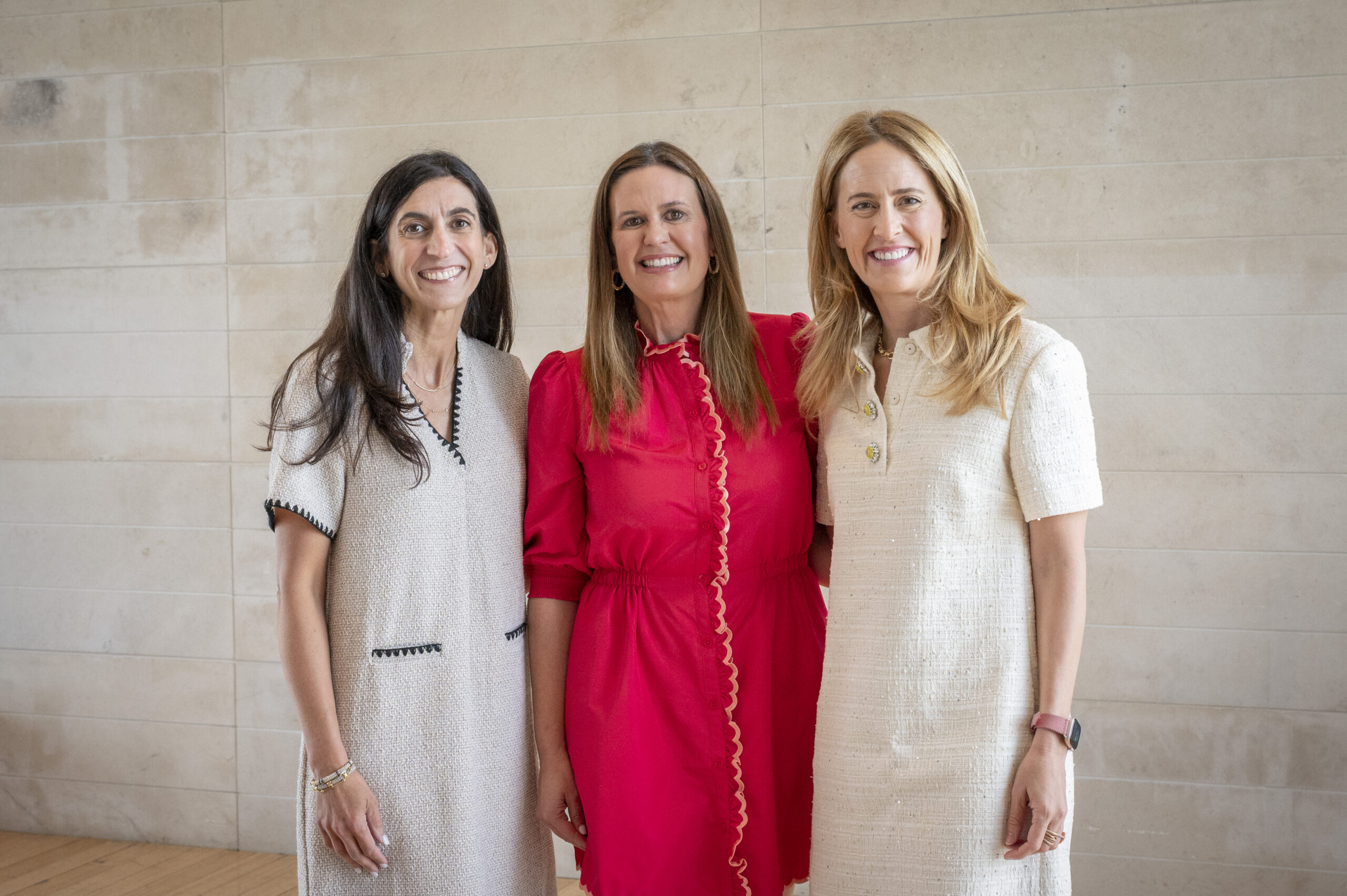
Nirvana Manning, M.D., Gov. Sarah Huckabee Sanders and Olivia Walton stop briefly for a photo.Evan Lewis
Referring to a six-week postpartum visit covered by Medicaid, Goucher added, “so if we wait until six weeks to begin this conversation, that’s just such a narrow window. That’s why we have to start the discussion during pregnancy, before they transfer out of our care.”
Anna Strong from the Arkansas Chapter of the American Academy of Pediatrics led the policy, reimbursement and system transformation panel that featured Department of Human Services Secretary Janet Mann, John Selig from AFMC and Craig Wilson from the Arkansas Center for Health Improvement.
Rep. Lee Johnson, M.D., led a panel on sustaining access to care in Arkansas’ rural communities, which featured Shannon Case, M.D., from Johnson Regional Medical Center in Clarksville; Cassie Cochran from the Arkansas Department of Health; Sammie Cribbs-Roberson from North Arkansas Medical Regional Center in Harrison; Susan Ward-Jones, M.D., from East Family Medical Center in West Memphis; and Kendall Booker, M.D., chief resident in the UAMS Family Medicine Rural Track Residency Program in Crossett.