Multiple Sclerosis
An autoimmune disease
Transcript
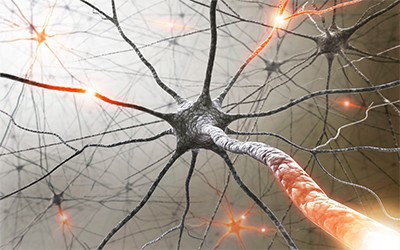
| Multiple sclerosis, or MS, is a chronic, potentially debilitating disease that affects the central nervous system, which is made up of the brain and spinal cord. MS is widely believed to be an autoimmune disease, a condition in which the immune system attacks components of the body as if they’re foreign. With multiple sclerosis, the body mistakenly directs antibodies and white blood cells against proteins in the myelin sheath, a fatty substance that insulates nerve fibers in the brain and spinal cord. This results in inflammation and injury to the sheath and ultimately to the nerves that it surrounds. The result may be multiple areas of scarring, or sclerosis. Eventually, this damage can slow or block the nerve signals that control muscle coordination, strength, sensation and vision. MS affects an estimated 400,000 people in the U.S., including twice as many women as men, with most people experiencing their first signs or symptoms between the ages 20 and 40.
A number of signs
Transcript
| In some people, multiple sclerosis is a mild illness, but it can lead to permanent disability in others. There are a large number of signs of MS and they vary widely, depending on the location of affected nerve fibers. Some of the symptoms of MS include numbness or weakness in one or more limbs and partial or complete loss of vision, usually in one eye at a time, often with pain during eye movement. Double vision or blurring of vision, tingling or pain in parts of the body and electric-shock sensations that occur with certain head movements are other possible signs of multiple sclerosis. Someone who experiences tremors, a lack of coordination or an unsteady gait, as well as fatigue and dizziness, may have multiple sclerosis. In some cases, people with MS may also develop muscle stiffness, slurred speech, paralysis, or problems with bladder, bowel or sexual function. Mental changes, such as difficulties with concentration, may also occur.
A genetic component
Transcript
| Certain factors may greatly increase your risk of developing multiple sclerosis. One of them is heredity. Multiple sclerosis, or MS, is more common in people of Northern European descent. There also appears to be a genetic component to the condition, although the risk to children of people affected by MS is less than five percent over their lifetime. Researchers suspect that the tendency to develop multiple sclerosis is inherited, but the disease manifests only when environmental triggers are present. Many viruses and bacteria have been suspected of causing MS, most recently the Epstein-Barr virus, known also for causing infectious mononucleosis. Some studies have suggested that developing an infection at a critical period of exposure may lead to conditions conducive to the development of MS a decade or later. MS is more common in countries with temperate climates, like southeastern Australia, although the reason for this remains unknown.
Physical therapy helps
Transcript
| There is as yet no cure for multiple sclerosis. Many patients do well with no therapy at all, especially since many medications have serious side effects and some carry significant risks. There are currently thirteen medications approved by the Food and Drug Administration for use in relapsing forms of MS, with one of them approved specifically for secondary-progressive MS. None of them will prevent the disease’s recurring symptoms, such as fatigue or numbness, but each has a proven record of effectiveness. Two forms of non-medical treatment are physical therapy and counseling. A physical or occupational therapist can teach an MS patient strengthening exercises and show them how to use devices that can ease the performance of daily tasks. Individual or group therapy may help the patient cope with multiple sclerosis and allow him or her to relieve emotional stress. The patient’s family members or caregivers also may benefit from seeing a counselor.
Roller coaster of emotions
Transcript
| For those people living with multiple sclerosis, life can be a roller coaster of emotions. But here are some suggestions to help you even out the ups and downs. It’s important to maintain normal daily activities as best you can and stay connected with friends and family. Continue to pursue hobbies that you enjoy and are able to do. If multiple sclerosis impairs your ability to do things you enjoy, talk with your doctor about `possible ways to get around the obstacles. Remember that your physical health can directly impact your mental health. Denial, anger and frustration are not uncommon when you learn life has dealt you something painful and unexpected. Therapists or behavioral psychologists may help you put things in perspective. They can also teach you coping skills that may be helpful. If you have MS, there’s no denying that it affects your life. But how much you allow it to determine the quality of your life depends on the way you choose to live day to day.
Trusted by thousands of listeners every week, T. Glenn Pait, M.D., began offering expert advice as the host of UAMS’ “Here’s to Your Health” program in 1996. Dr. Pait began working at UAMS in 1994 and has been practicing medicine for over 20 years.