UAMS, Community Promote Physical Activity with Walk to Springdale School
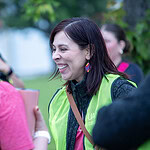
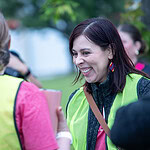
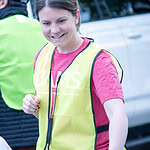
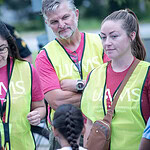
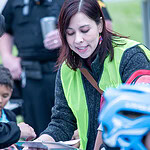
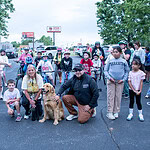
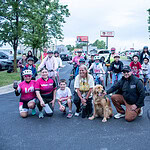
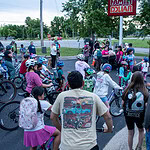
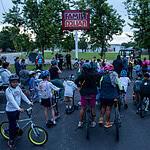
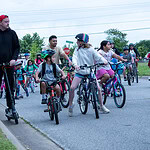
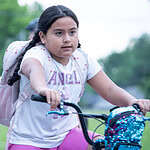
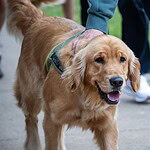
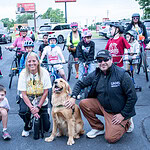
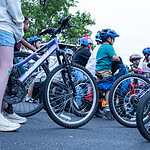
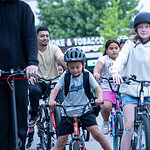
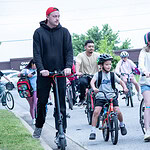
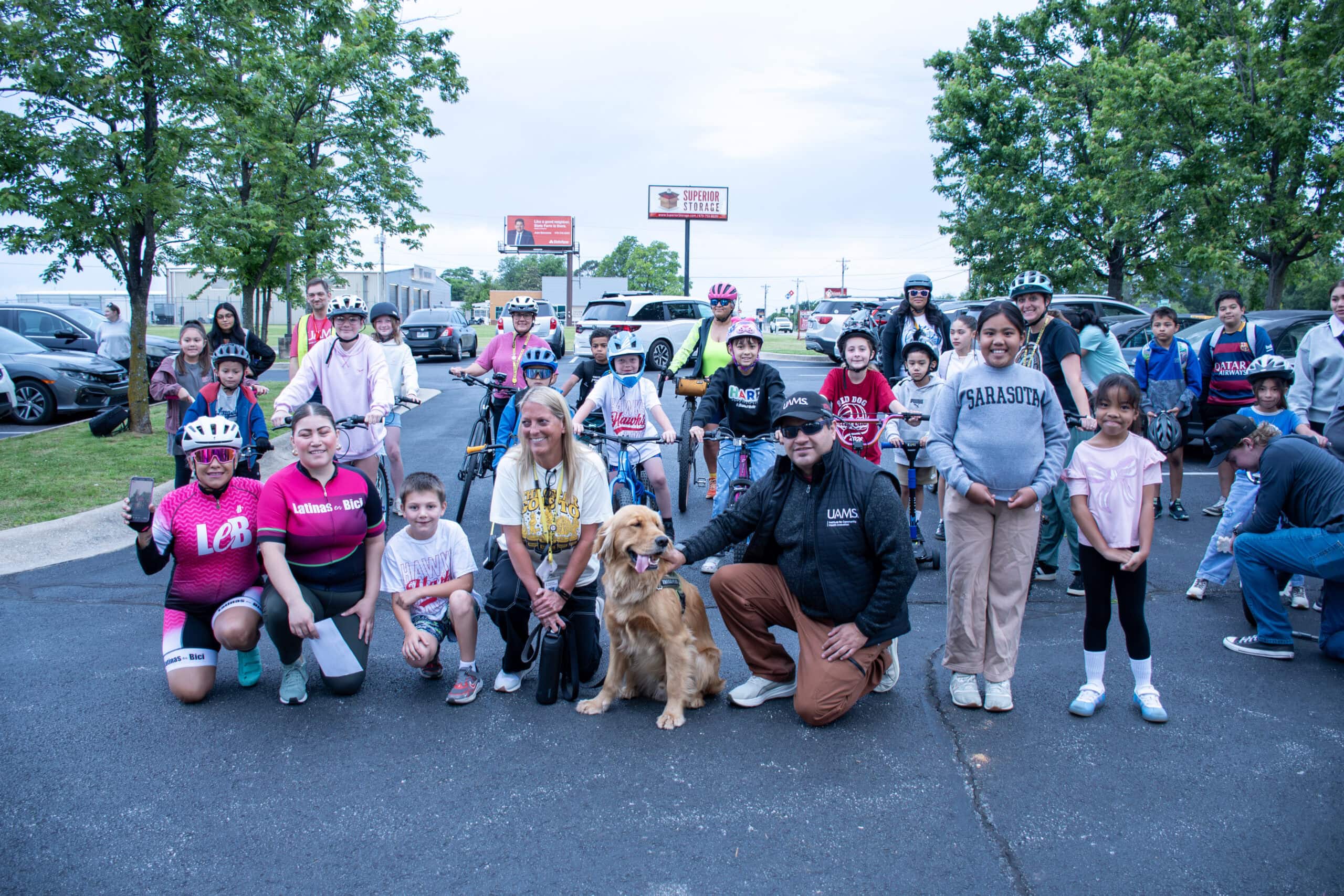
| More than 30 students and their family members in Springdale joined together for a 10-minute trek to school recently, showing that going to school doesn’t have to just be a morning routine. It can be fun and healthy, too.
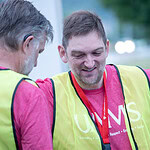
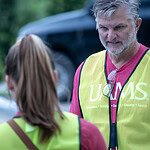
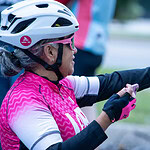
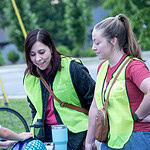
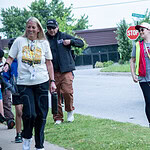
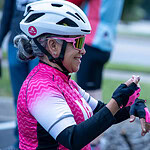
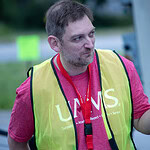
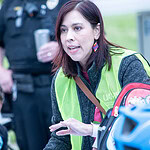
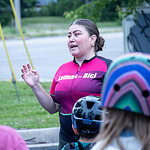
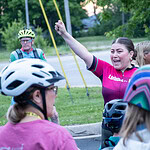
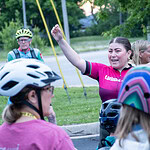
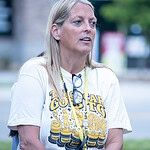
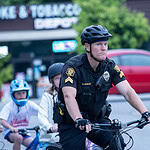
Through the Walk & Roll program, the University of Arkansas for Medical Sciences (UAMS) Institute for Community Health Innovation, and Harp Elementary in Springdale hosted the morning walk and cycling session on May 15, starting at Family Dollar on Robinson Avenue in Springdale and ending at the elementary school. Students and their families were also joined by members of the Springdale Police Department, Latinas en Bici, and Springdale Active Transportation.
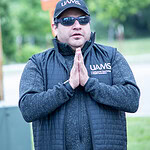
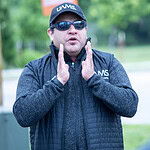
“The Walk & Roll event was a great example of the City of Springdale, Harp Elementary, partner organizations, and the community working together toward a shared goal of Safe Routes to School and Vision Zero,” said Beck Rodriguez, a community health worker at the institute. “It was inspiring to see students being physically active before school and parents coming out to support them. We will continue working together to support policies that reflect the district’s wellness goals, meet families where they are, and make it safer for students and families to be physically active.”
Regular movement is one of the most effective ways to improve overall health and reduce the risk of chronic disease. According to recent data from the Centers for Disease Control and Prevention (CDC), one in four U.S. adults are obese, with about 39% of Arkansas adults living with obesity.
By collaborating with community health workers, community organizations, city partners, and residents, the institute is developing community-driven strategies to increase physical activity for families in ways that are accessible, fun, and easily woven into daily life.
The institute is also working to improve walkability through on-the-ground assessments, or walk audits, to identify locations throughout Northwest Arkansas that make walking or biking difficult or unsafe, such as broken sidewalks, missing crosswalks, speeding traffic, or poor lighting. Additionally, the institute has worked with community partners to install crosswalks and other safety improvements in Springdale. These simple, but meaningful interventions show what safer streets can look like and build momentum for long-term city investment.
“Community collaboration is essential to understanding the real barriers families face every day,” Rodriguez said. “By listening to residents and working alongside the community, we can help develop infrastructure plans that make physical activity safer, more accessible, and part of building a healthier city for all, while also supporting the creation of policies that promote long-term community health and safety.”
For a broader look at UAMS’ rural healthcare programs that impact the health and well-being of rural Arkansans, visit the UAMS rural health hub.