View Larger Image
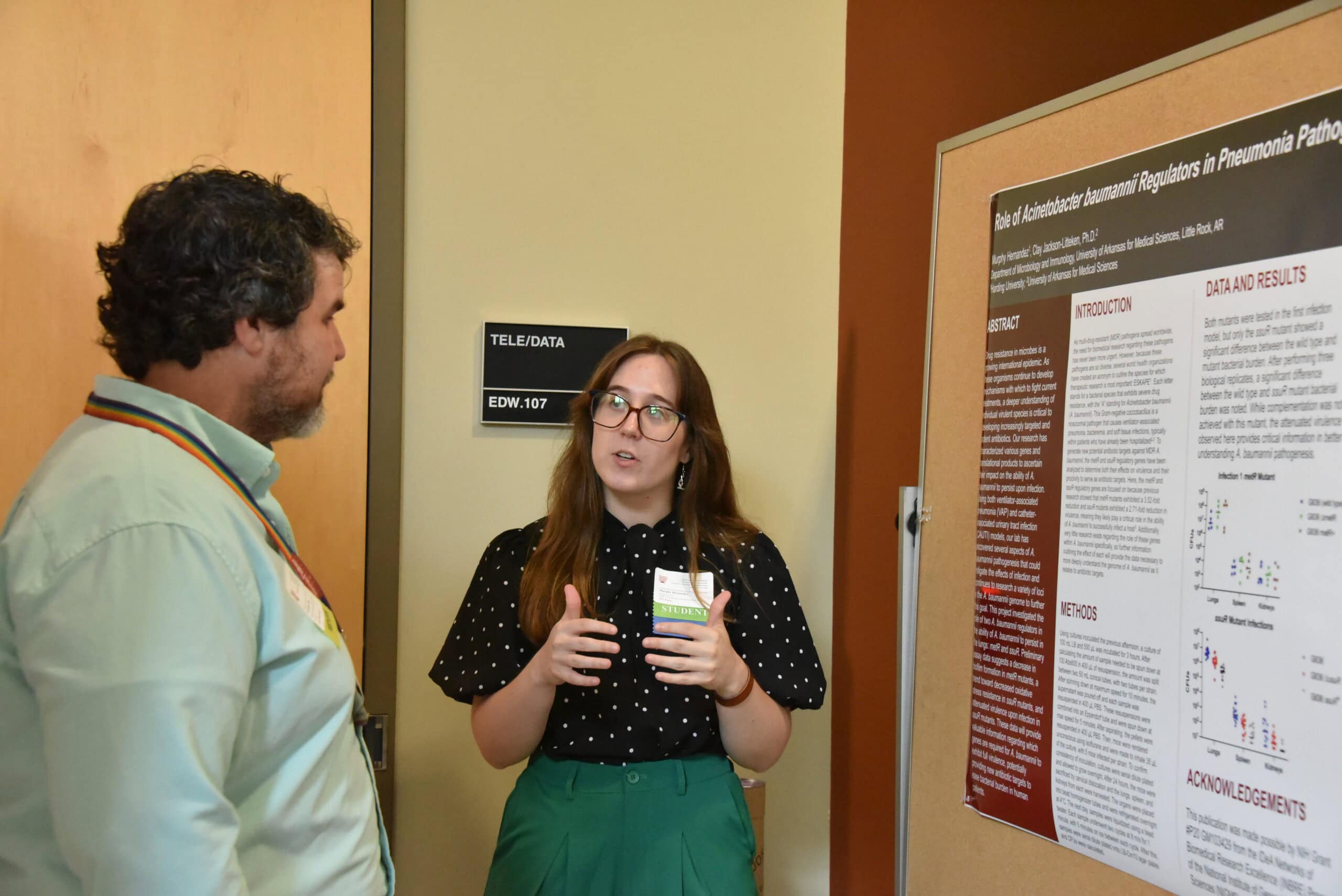
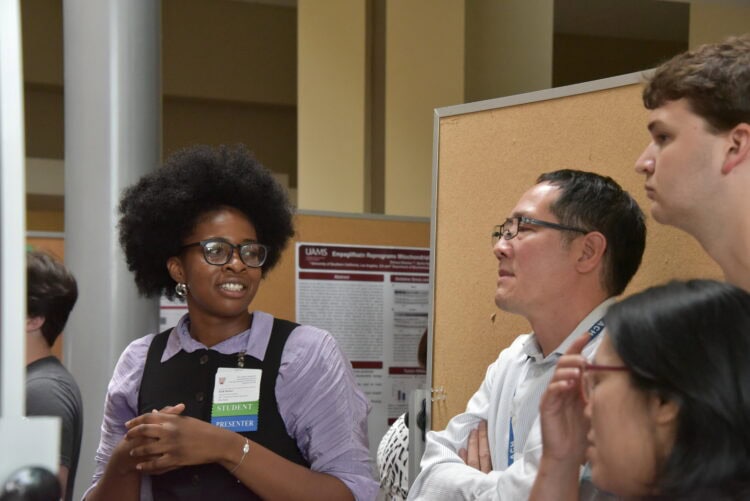
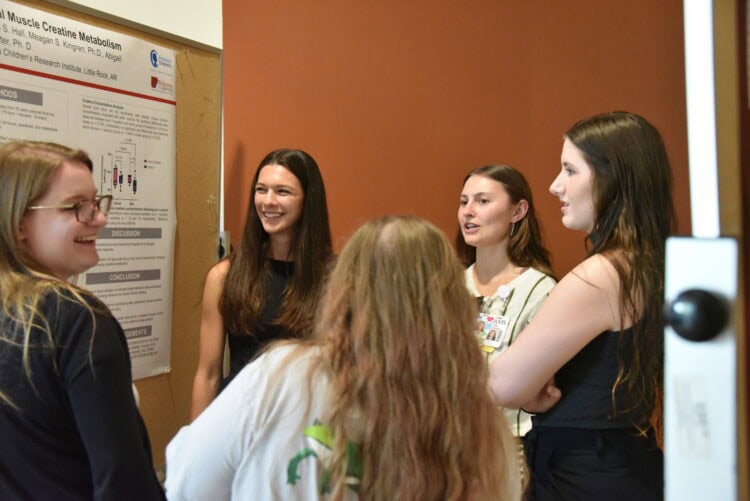
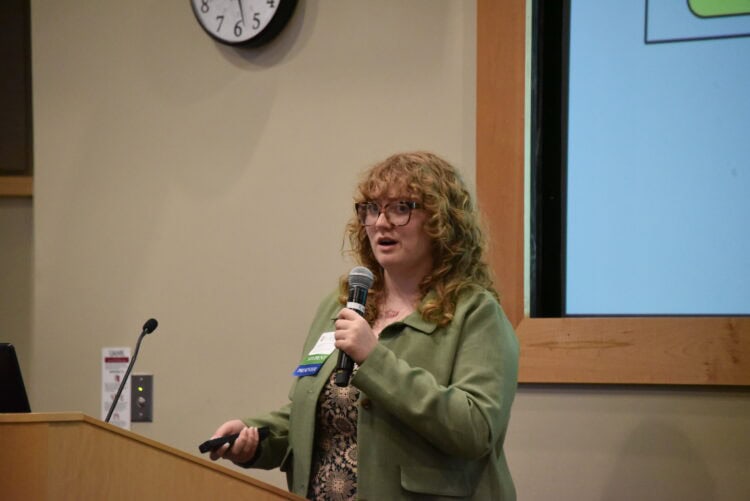
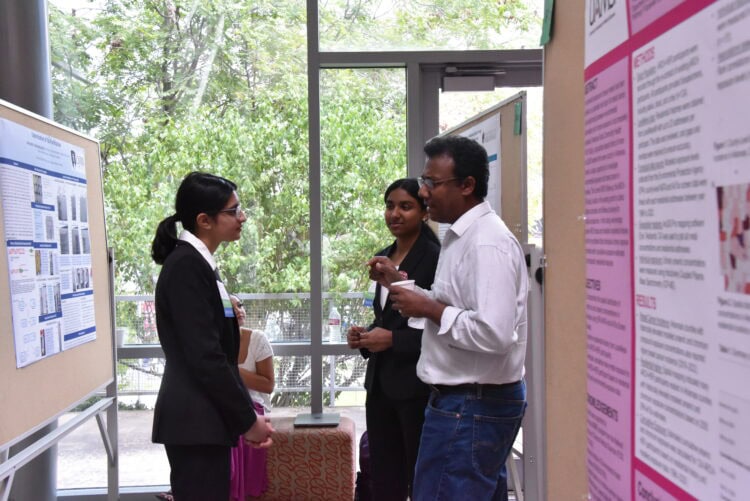
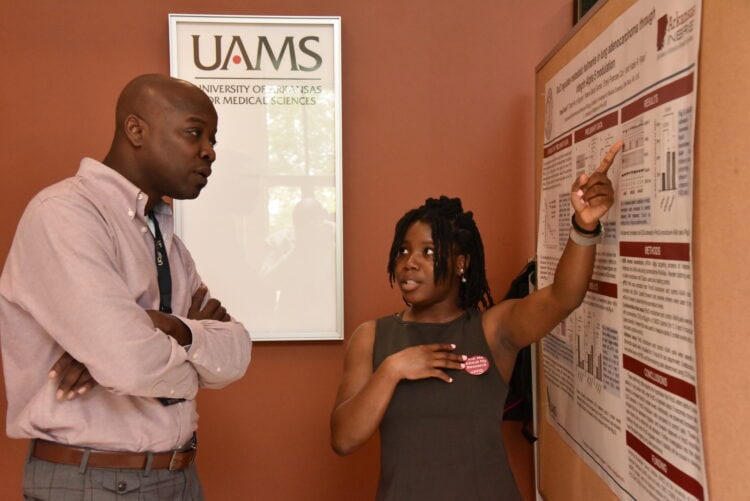
Harding University's Murphy Hernandez discusses her work with Ryan Allen, Ph.D., at the Arkansas Undergraduate Summer Research Symposium.
Image by Nathan Tidwell
UAMS’ Summer Undergraduate Symposium Features Student Research
| The 13th Annual Arkansas Undergraduate Summer Research Symposium at the University of Arkansas for Medical Sciences (UAMS) provided an opportunity for students from 36 colleges and universities, along with seven high schools, across the United States to present their research.
The July 29 event at the I. Dodd Wilson Education Building was organized and sponsored by the UAMS College of Medicine Department of Biochemistry and Molecular Biology with support from the UAMS Graduate School, the IDeA Networks of Biomedical Research Excellence (INBRE) program, the Center for Molecular Interactions in Cancer, the Central Arkansas Chapter of Sigma XI, and MedChemExpress. The National Institute of General Medical Sciences (NIGMS) provided critical grant funding. As in previous years, no registration fee was required for attendees due to funding from sources including the INBRE program.
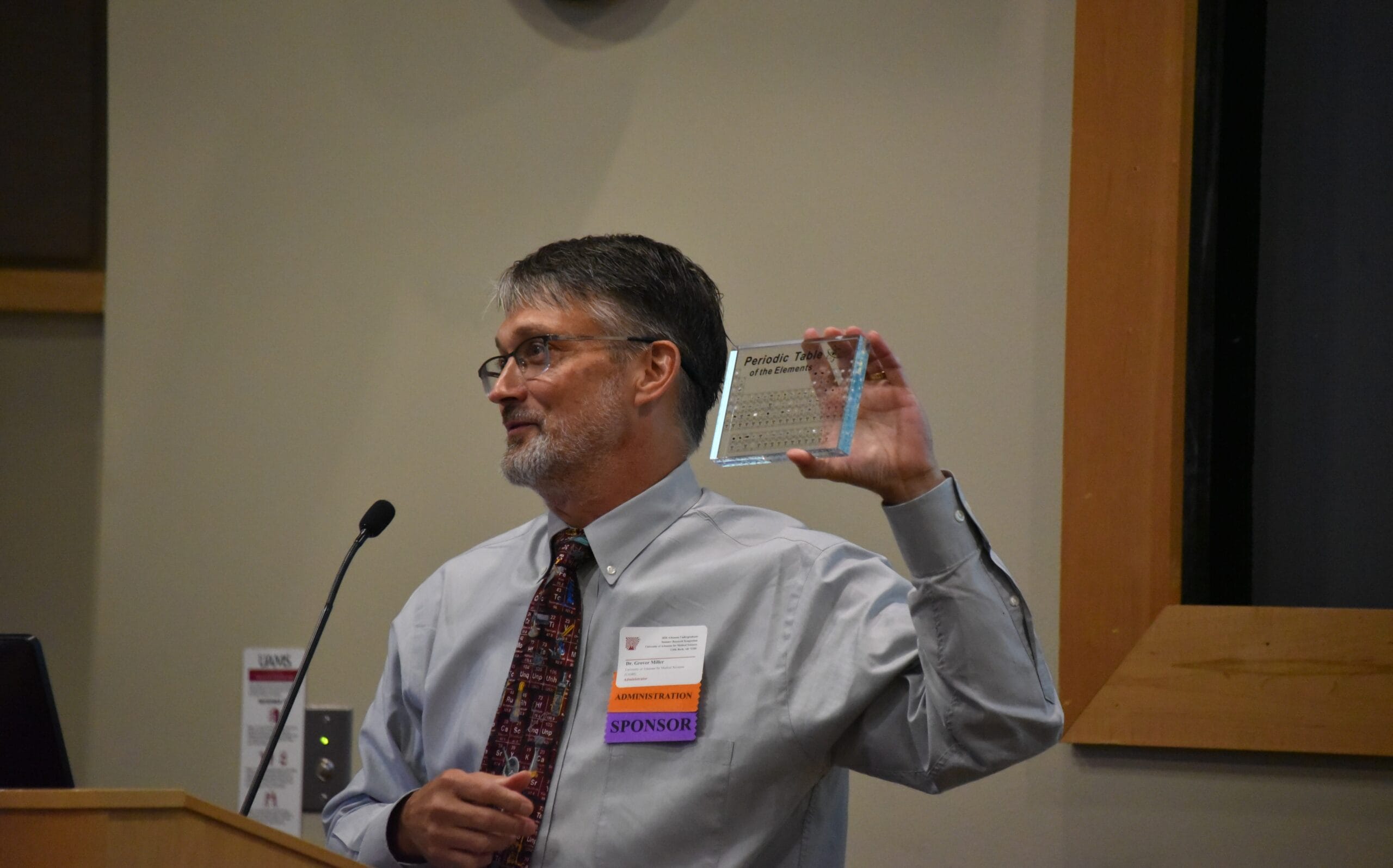
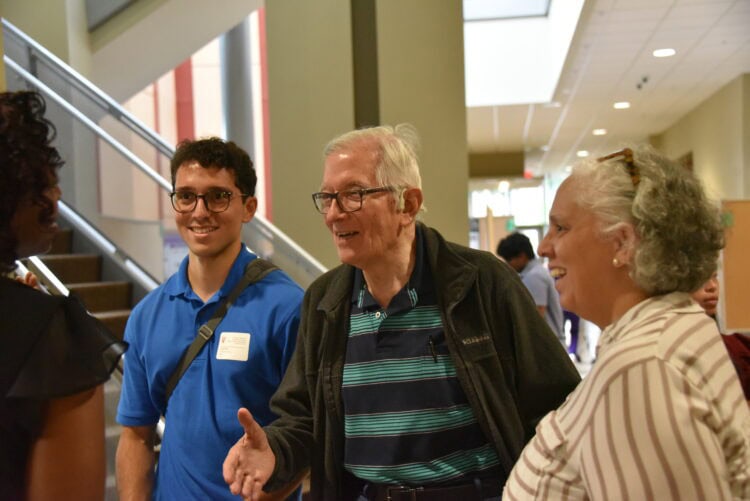
Grover Miller, Ph.D., organized the symposium.Image by Nathan Tidwell
Attendees were welcomed by symposium organizer Grover Paul Miller, Ph.D., a professor in the Department of Biochemistry and Molecular Biology.
“The idea of a symposium came about because we received feedback in our undergraduate research programs that students wanted to interact with each other,” said Miller. “Granted, part of research is working in a lab with other people and doing experiments, but the real experience of science is when the community comes together for a research symposium.”
Attendees for the meeting included more than 85 student researchers from 16 different summer research programs, and more than 100 administrators, faculty, and staff, who helped make the program possible.
Lawrence Cornett, Ph.D., a distinguished professor in the College of Medicine Department of Physiology and Cell Biology and the director of the INBRE program, talked about how the symposium benefits UAMS and INBRE’s role in undergraduate research.
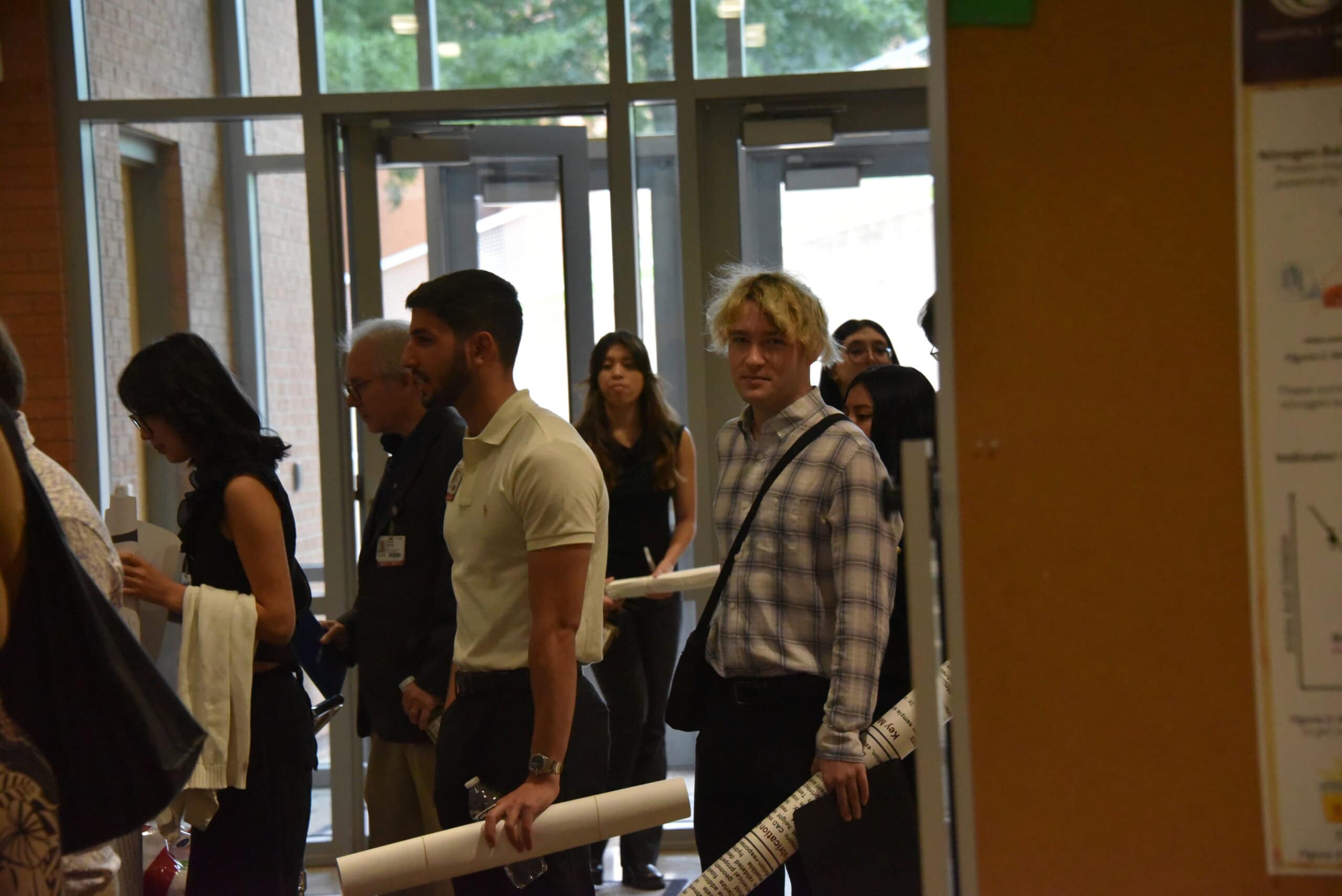
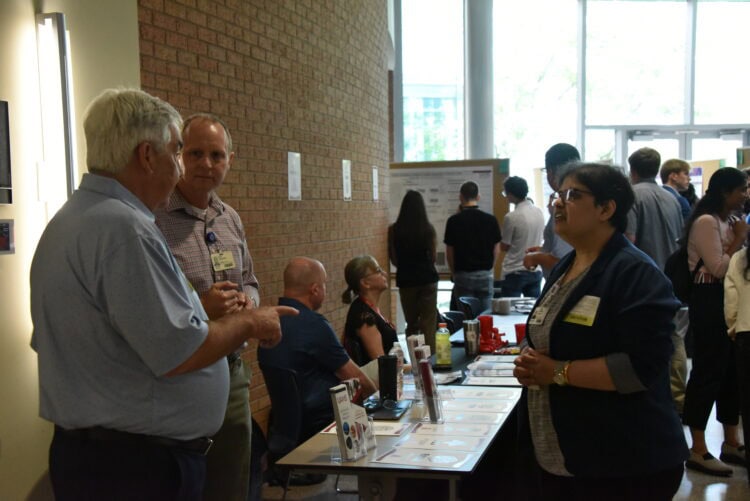
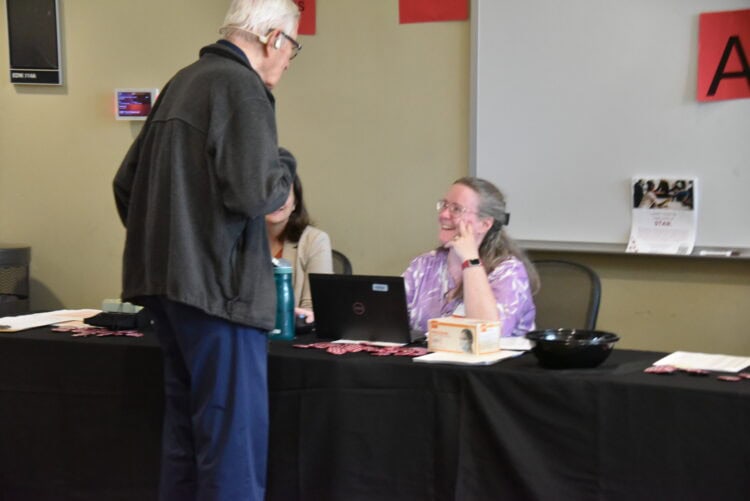
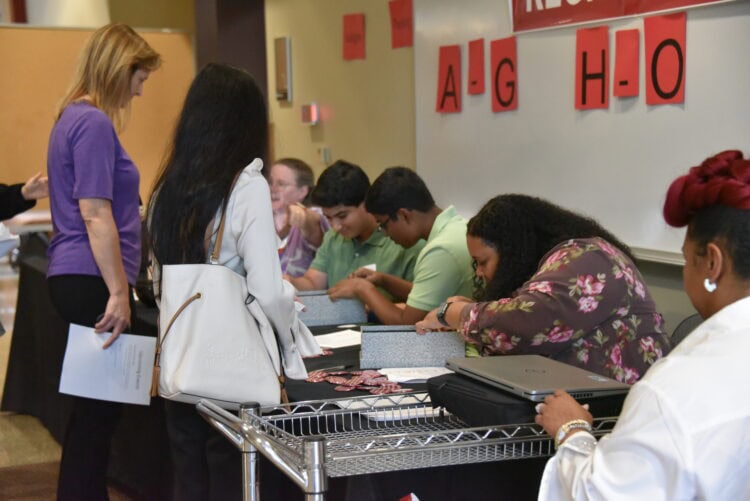
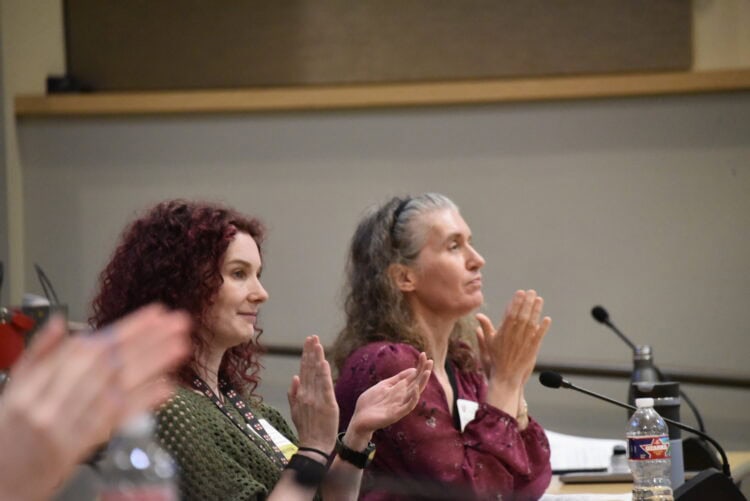
More than 85 students registered for the symposium.Image by Nathan Tidwell
“Training the next generation of biomedical researchers is an important part of our mission as an academic health center,” Cornett said. “The Arkansas INBRE Mentored Summer Research Program provides Arkansas undergraduate students with hands-on research experiences directed by faculty mentors who are making discoveries that ultimately improve human health. The program is an investment in both the future of science and the future of healthcare.”
Karl Boehme, Ph.D., a professor in the College of Medicine Department of Microbiology and Immunology and the director of the Graduate Program in Interdisciplinary Biomedical Sciences, noted how the symposium can help undergraduate students as they progress in their field.
“The undergraduate symposium is a great event that showcases the talented students who participate in UAMS’ summer research programs every year,” he said. “These programs provide students with the opportunity to explore scientific research as a potential career option.”
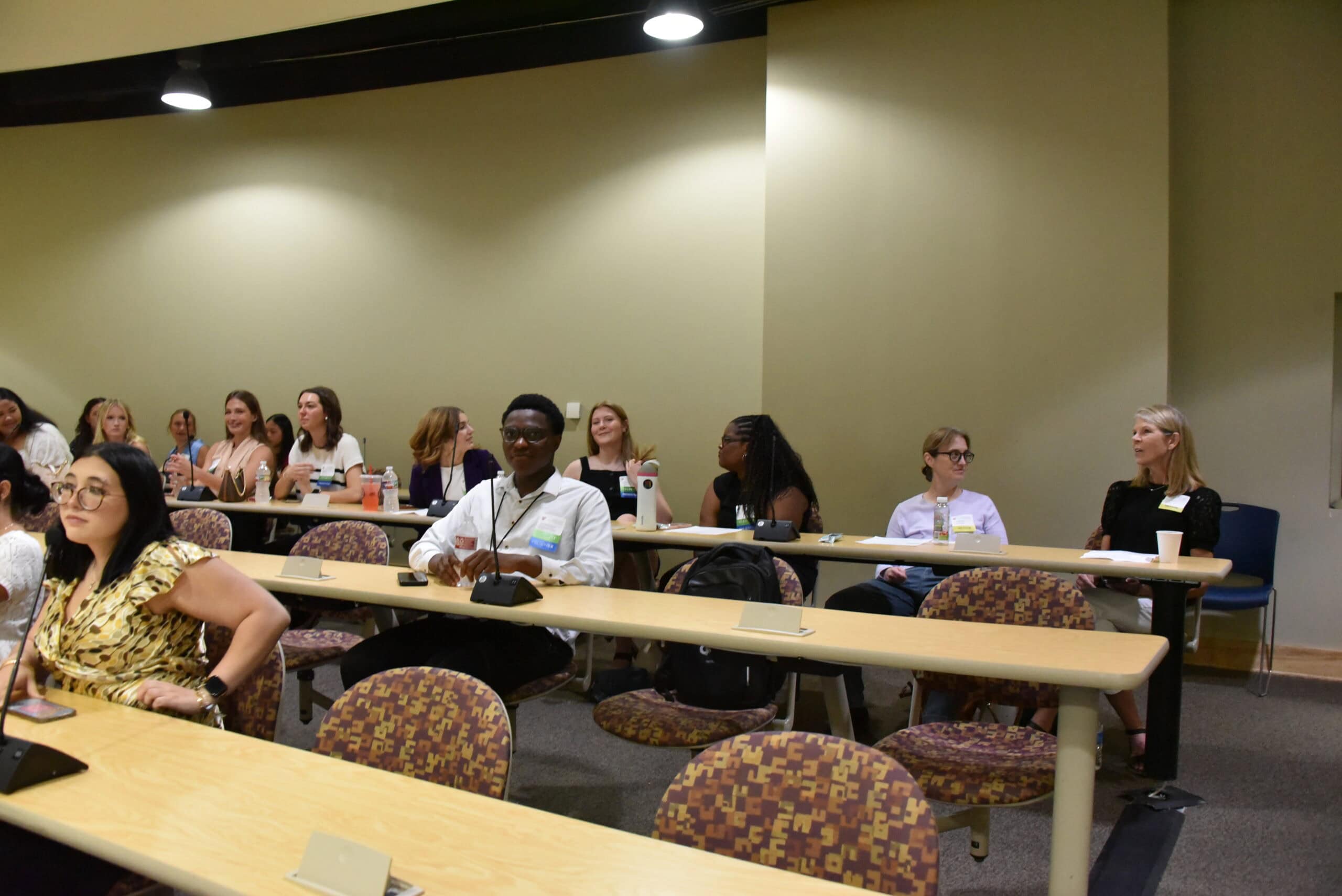
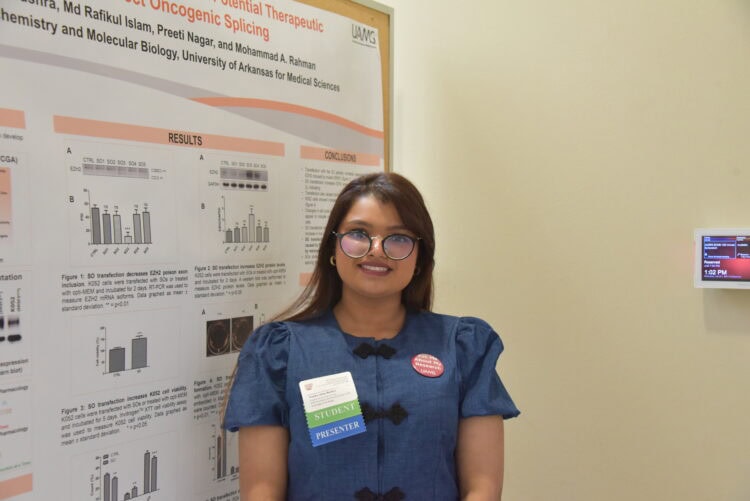
Students from 36 colleges and universities, along with seven high schools, registered for the event.Image by Nathan Tidwell
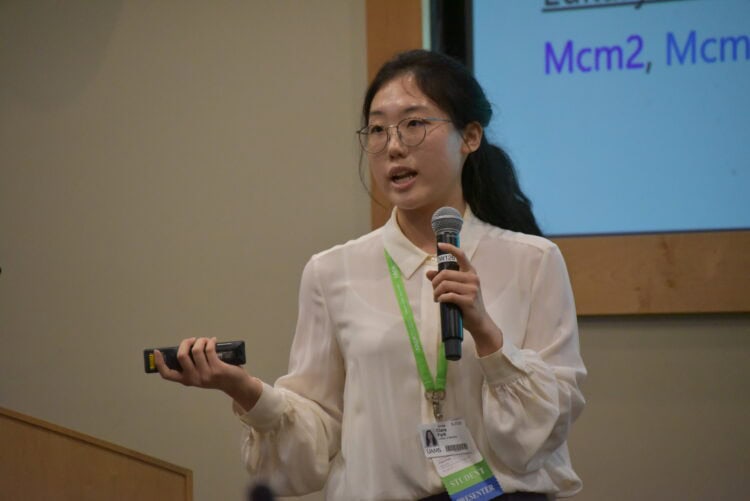
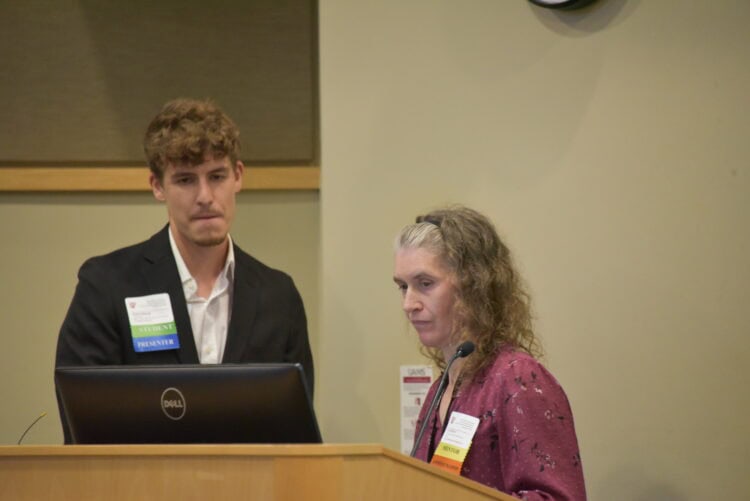
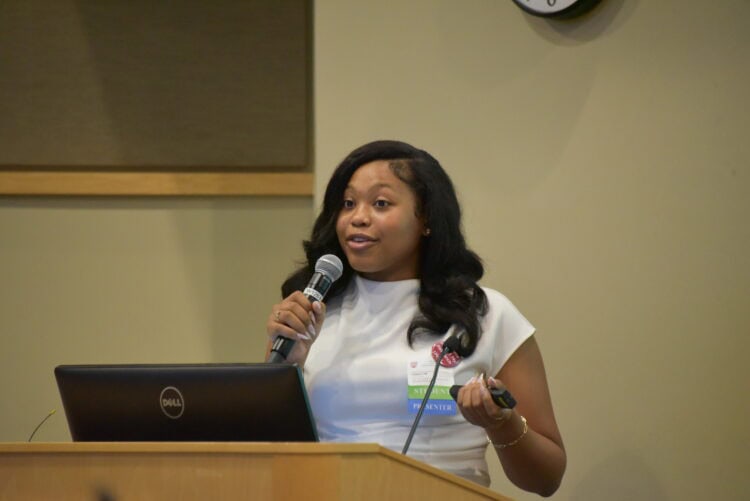
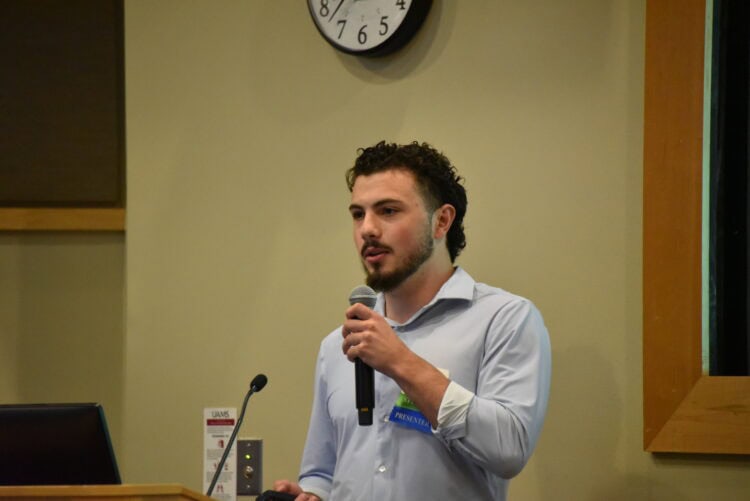
The following students were selected from 87 submissions to give oral presentations, which were divided into morning and afternoon sessions chaired by Katie Ryan, Ph.D., an assistant professor in the Department of Biochemistry and Molecular Biology, and Alicia Byrd, Ph.D., an assistant professor in the same department.
Each student was given 12 minutes for their presentation, followed by three minutes for questions. Here are those special selected speakers with their research program is listed in parentheses:
- Lillie Ballany, University of Arkansas at Fayetteville (Summer Undergraduate Research Fellowship, UAMS Department of Biochemistry and Molecular Biology)
- Bailee Brinkley, Arkansas Tech University (INBRE)
- Fariha Alam Bushra, Southeast Missouri State University (Summer Undergraduate Research Fellowship, UAMS Department of Biochemistry and Molecular Biology)
- Owen Bussell, University of Central Arkansas (American Chemical Society Petroleum Research Fund)
- Mia Canizares, Mount St. Mary Academy (UAMS Department of Physiology and Cell Biology)
- Chelsea Cliff, Howard University (Summer Undergraduate Research Program, UAMS Department of Pathology)
- Elena Coleman, Rhodes College (Summer Undergraduate Research Program, UAMS Department of Pharmaceutical Sciences)
- Bennett Dishongh, Hendrix College (INBRE)
- Kaylee Francis, Hendrix College (Summer Undergraduate Research Fellowship, UAMS Department of Biochemistry and Molecular Biology)
- Mishel Ocho, Wake Forest University (Summer Undergraduate Research Fellowship, UAMS Department of Pharmacology and Toxicology)
- Clara Park, Rhodes College (Summer Undergraduate Research Fellowship, UAMS Department of Biochemistry and Molecular Biology)
- Spencer Stutts, Hendrix College (INBRE)
“All of the students did a great job with their presentations,” said Byrd.
“It’s rare that undergraduate students get an opportunity for oral presentations, and that’s why we put in the program,” Miller added.
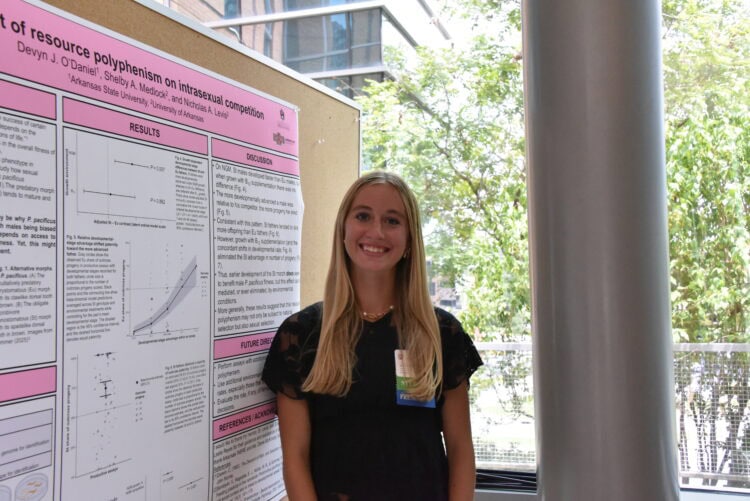
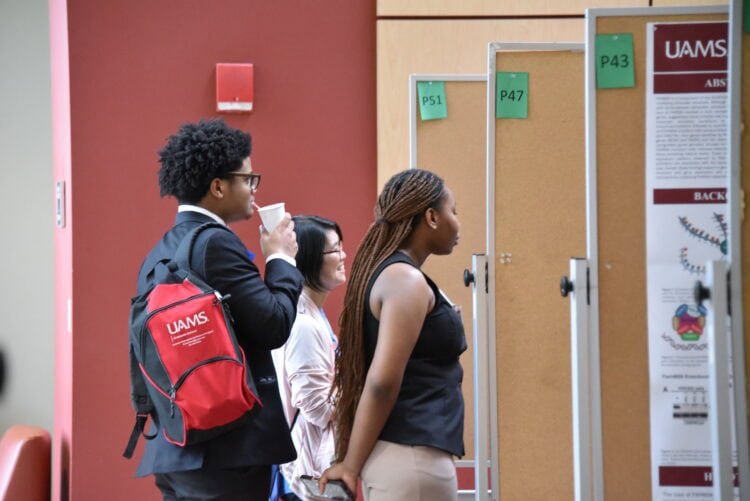
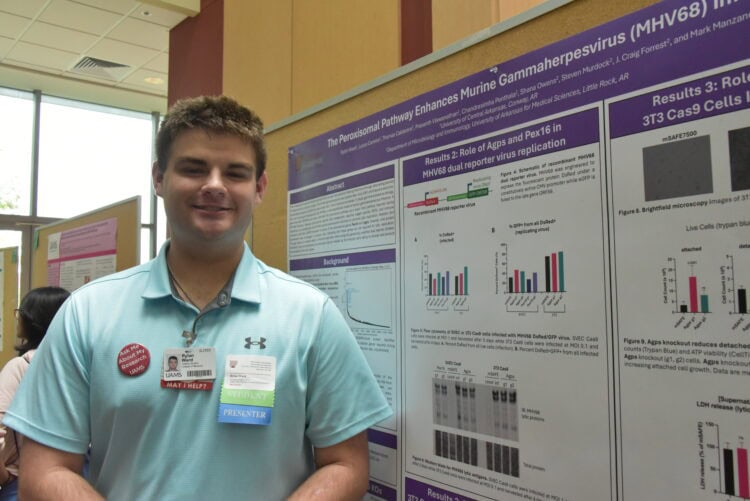
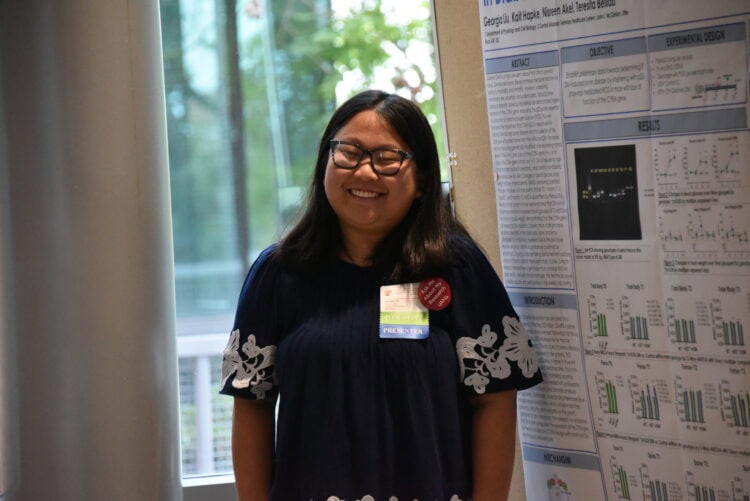
Morning and afternoon poster sessions offered students a chance to discuss their research.
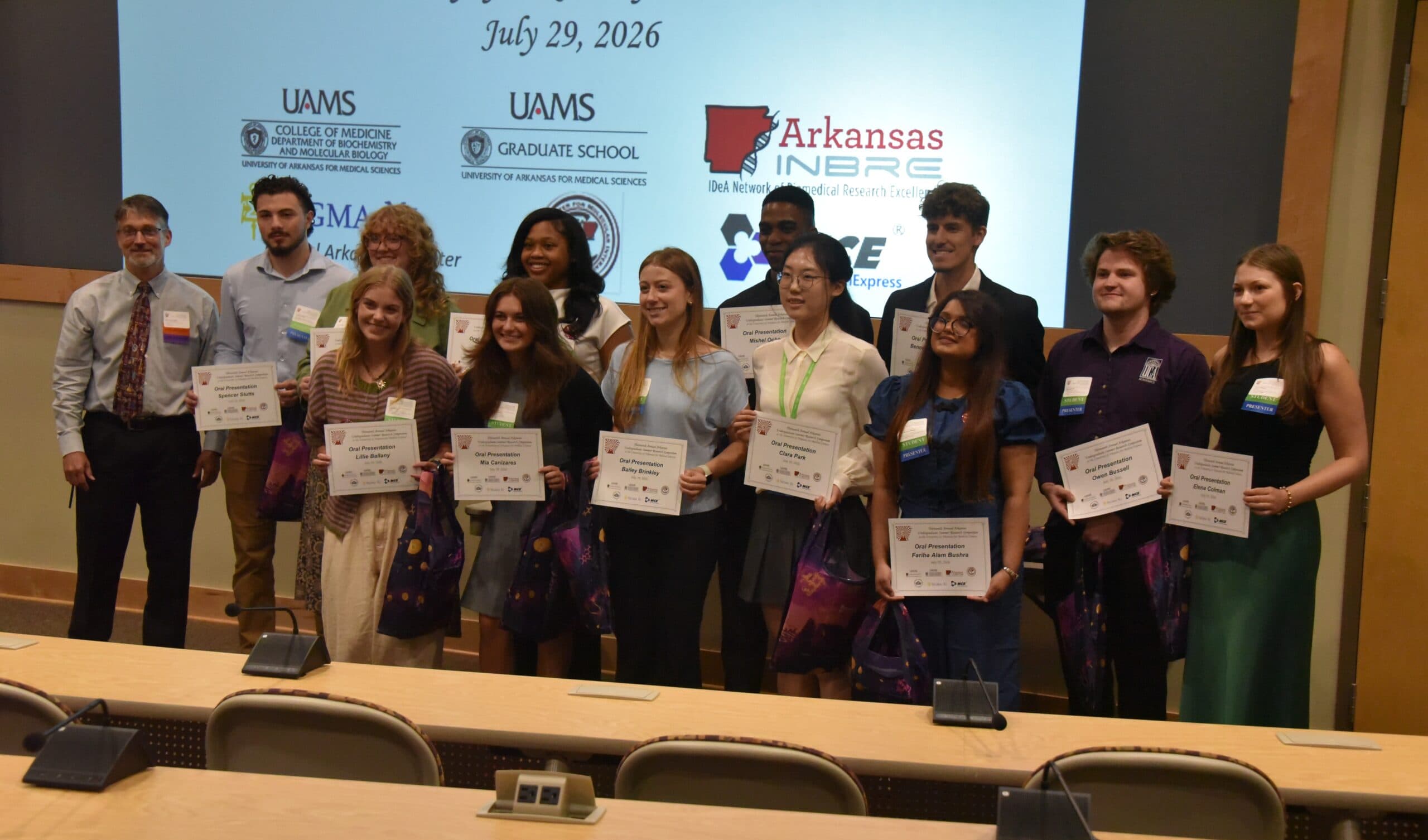
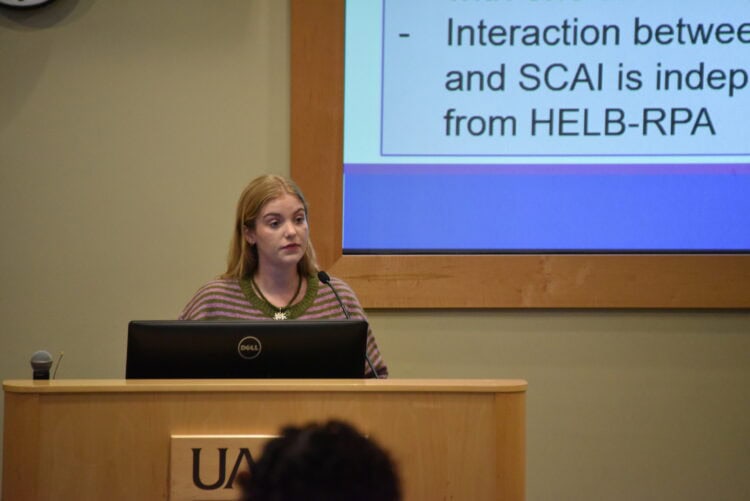
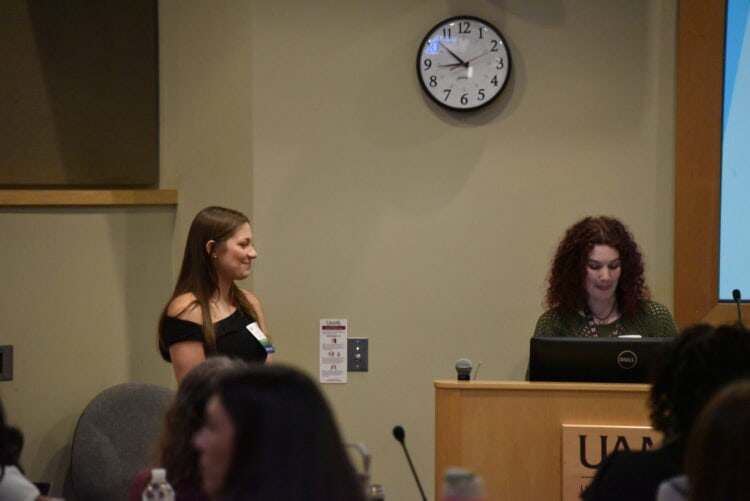
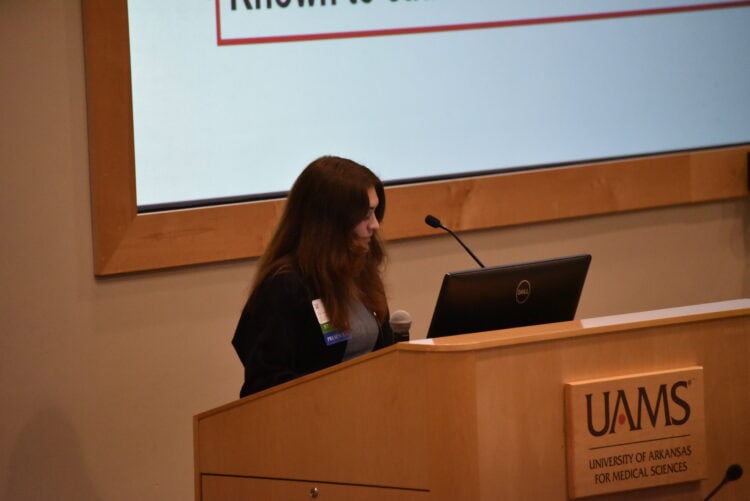
Students who performed oral presentations.Image by Nathan Tidwell
Danny Caceres, a student at Hendrix College, looked at the impact of diet and lifestyle on cognitive function in children.
“There’s a negative correlation between BMI and cognitive function,” Caceres said. “We concluded that in participants who are at a normal weight, protein helps cognitive function. In those who are overweight, in certain conditions a high protein meal can worsen performance.”
Georgie Crain of Ouachita Baptist University studied malnutrition in older adults.
“Our test group was 25 people from ages 60 to 93 undergoing assessments including BMI and body fat percentages, hand grip strength, and the Nutrition Focused Physical Exam,” she said. “The majority of our patients did exhibit some signs of malnutrition. We did see that hand grip strength for the test group was above average.”
Philander Smith University student Zychaeus Powell researched DNA damage and repair in those with acute kidney injury.
“DNA fragmentation is a sign of cell death; however, some methods of DNA repair can be random and lead to genetic mutation” he said. “We found that some cells that were thought to be dead were actually recovering.”
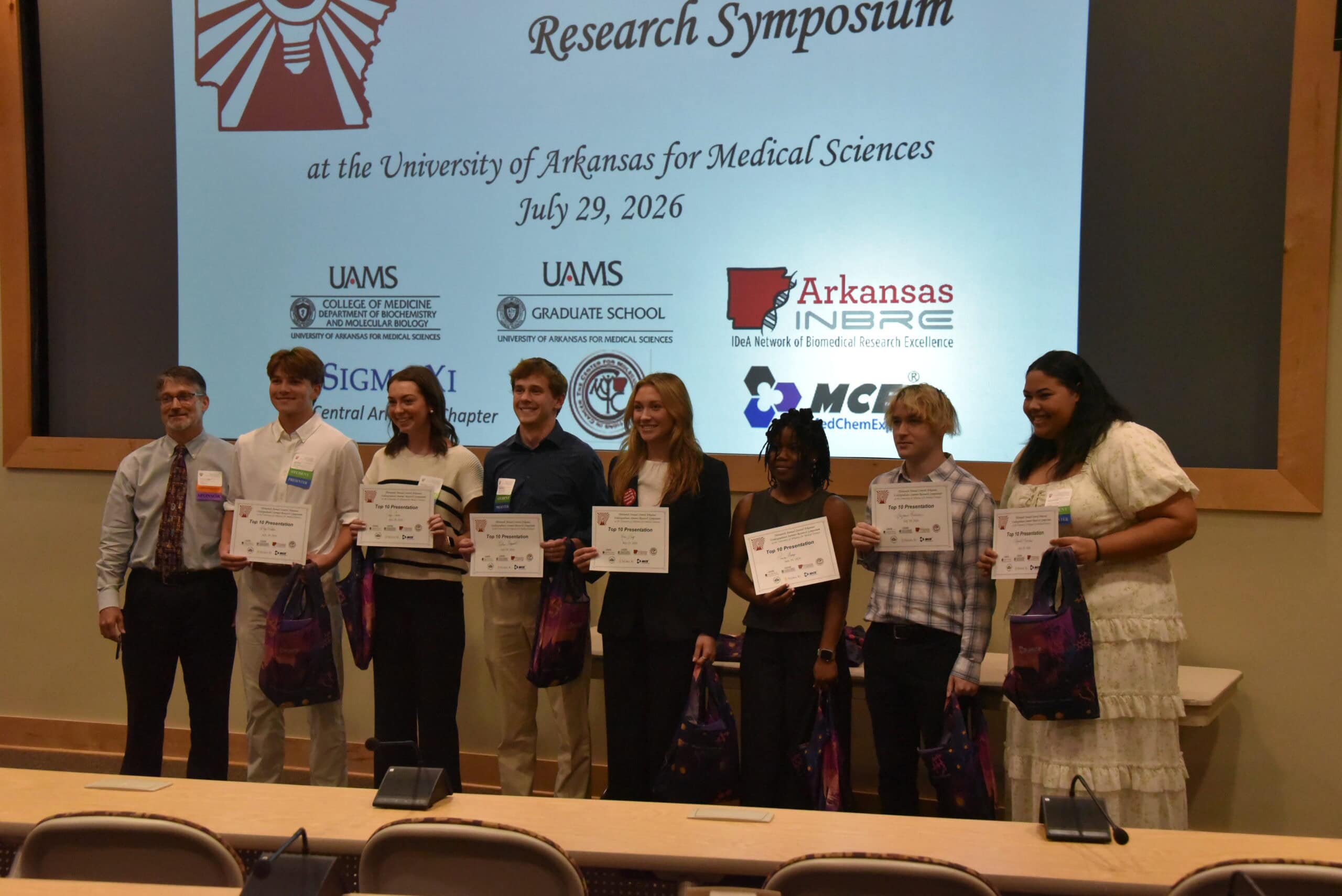
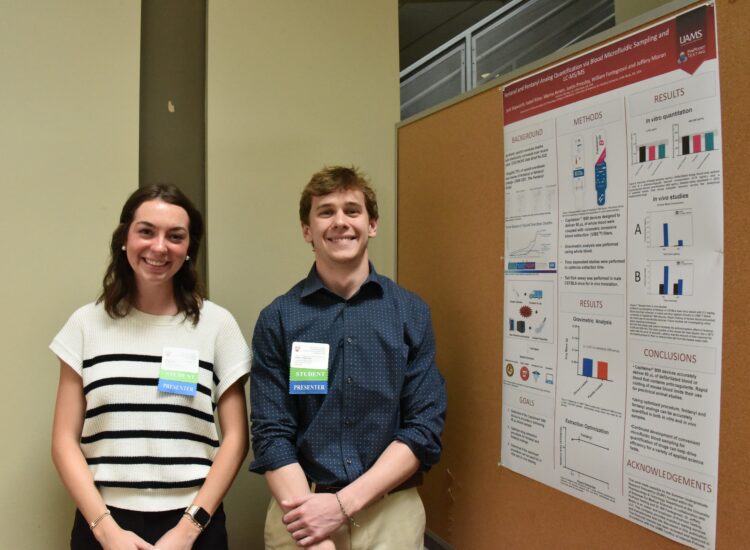
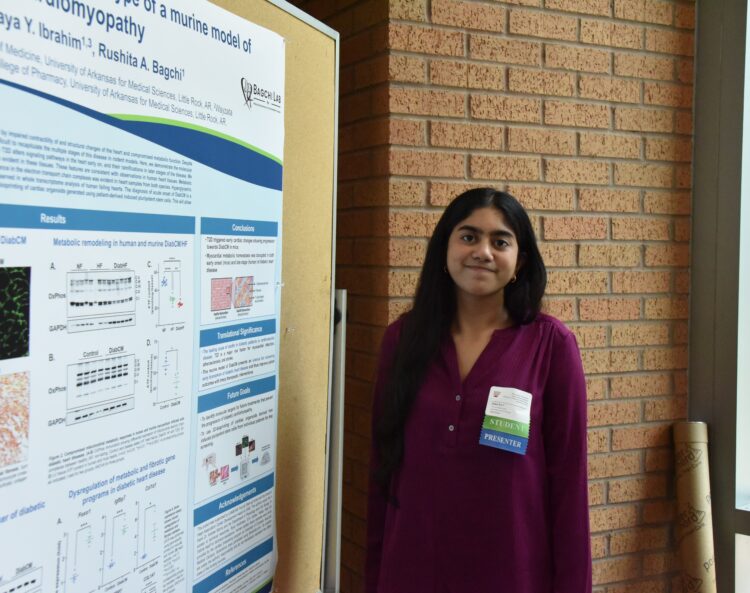
Students who were among those chosen for top poster presentations.Image by Nathan Tidwell
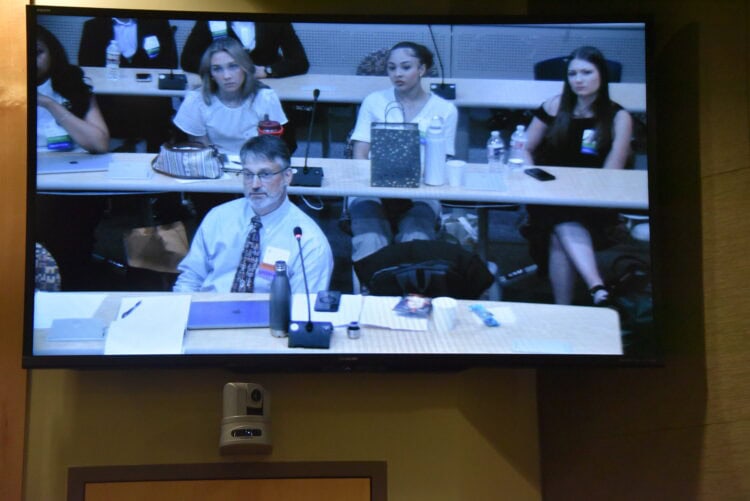
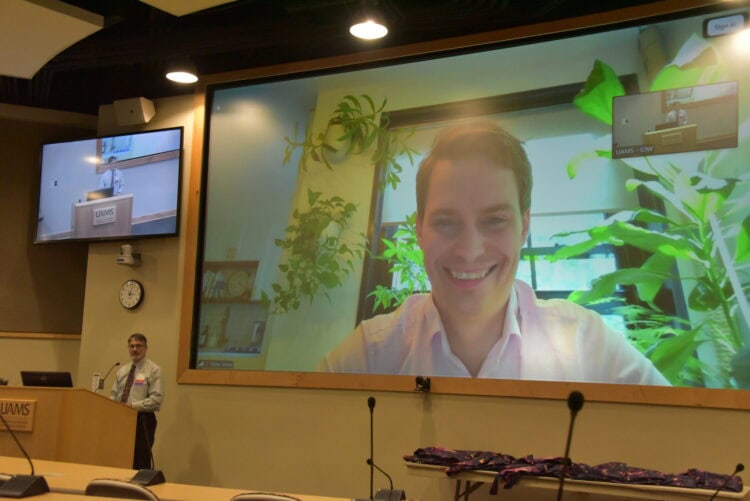
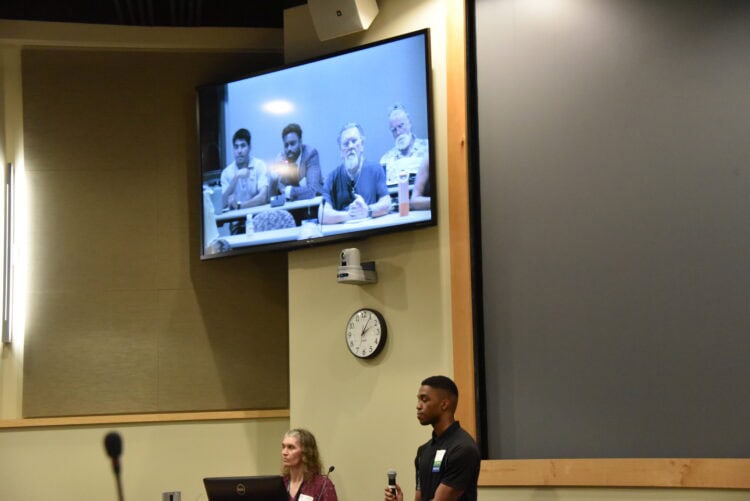
Guest speaker Drew Jones, Ph.D., an assistant professor in the New York University Langone Health Department of Biochemistry and Molecular Pharmacology and director of the Metabolomics Laboratory, gave a presentation via video titled “Discovering Pathways: Decoding the Networks of Metabolomics.”
Jones participated in the INBRE program in 2006 as a student at Hendrix College and received his doctorate from UAMS while working in Miller’s lab.
“The INBRE program is a major reason why I’m a scientist,” Jones said. “I was originally interested in medicine and the science that goes along with it, but it was the INBRE program that made me realize that science was what I wanted to do.”
Byrd announced awards for the following 10 students for top poster presentations from a competition among 80 submissions (research program listed in parentheses):
- Benjamin Anderson, University of Arkansas at Little Rock (INBRE)
- Praise Fabiyi, University of Arkansas at Pine Bluff (professional research opportunity)
- Hannah Harshaw, Ouachita Baptist University (OBU Summer Research Program)
- Ava Lang, Arkansas State University (Summer Undergraduate Research Program)
- Sonja Ramirez, Lyon College (Lyon College Summer Research)
- Simra Rana, Haas Hall Academy (Science, Technology, Engineering, Art, and Math)
- Ian Scarth, University of Hawaiʻi at Hilo (IDeA National Resource for Quantitative Proteomics Internship Program)
- Joshua Skipworth, University of Central Arkansas (Summer Undergraduate Research Fellowship, UAMS Department of Pharmacology and Toxicology)
- Paige Spicer, Ouachita Baptist University (OBU Summer Research Program)
- Rhys Wolter, Episcopal Collegiate (Jackson T. Stephens Summer Research Fellowship)
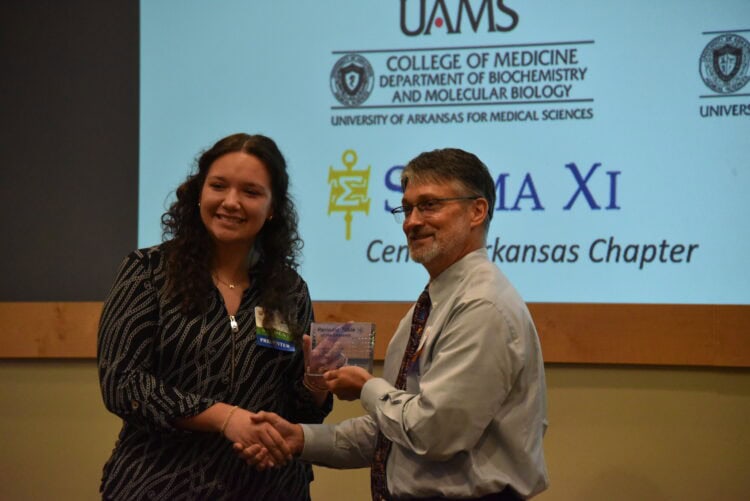
After recognizing the top student presenters, Madison Holmes of Ouachita Baptist University was chosen from a raffle to win a door prize of a glass periodic table provided by the Central Arkansas Chapter of Sigma Xi.
Miller wrapped the event by recognizing the students for presenting their research, the sponsors, and UAMS staff who made the symposium possible. He then reminded students that while their summer research may be ending, their journey in science does not need to, adding that there are more opportunities after the symposium to learn, problem solve, and share the science that changes the world for the better.