UAMS/UA Go Baby Go Program Marks Third Year of Getting Kids Moving
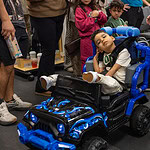
| The Go Baby Go project in Northwest Arkansas recently completed its third year. The program provides modified electric ride-on cars to children with mobility challenges, and it continues to grow its reach and refine its approach.
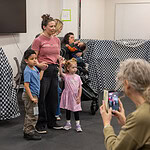
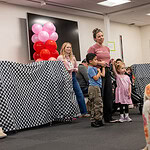
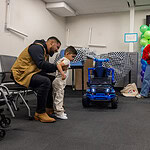
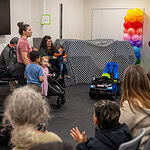
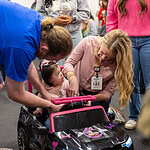
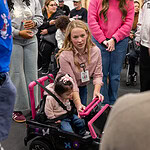
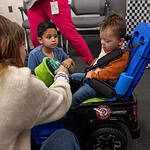
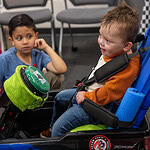
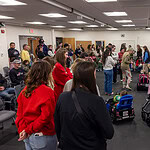
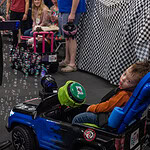
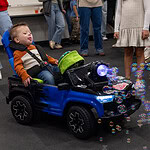
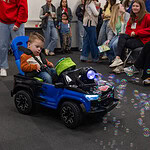
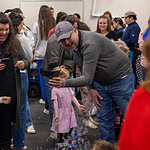
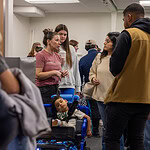
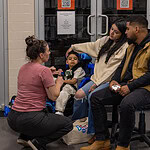
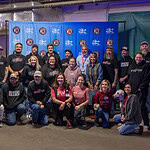
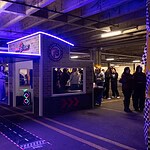
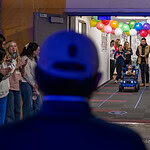
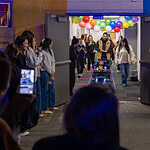
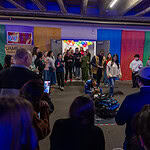
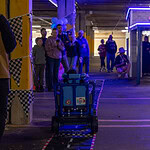
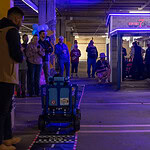
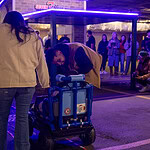
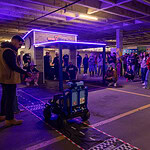
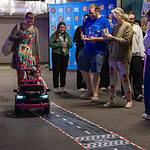
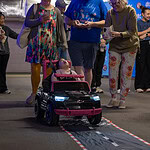
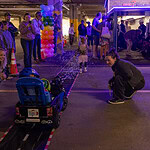
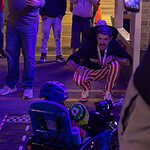
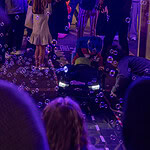
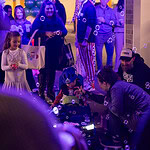
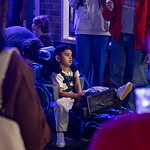
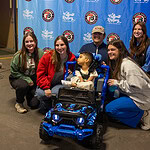
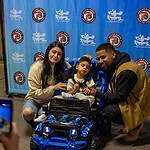
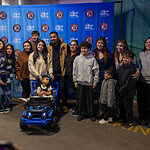
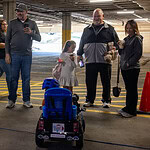
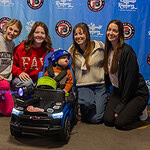
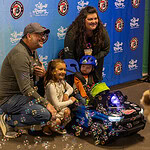
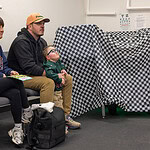
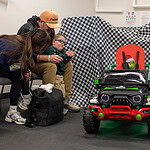
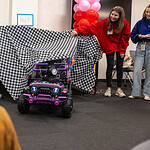
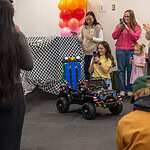
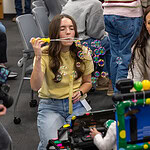
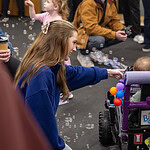
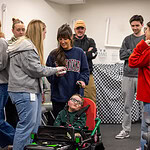
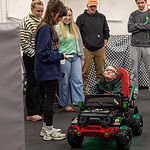
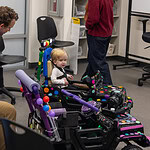
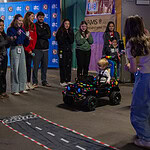
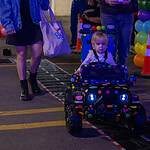
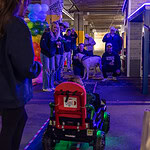
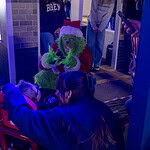
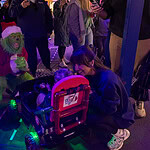
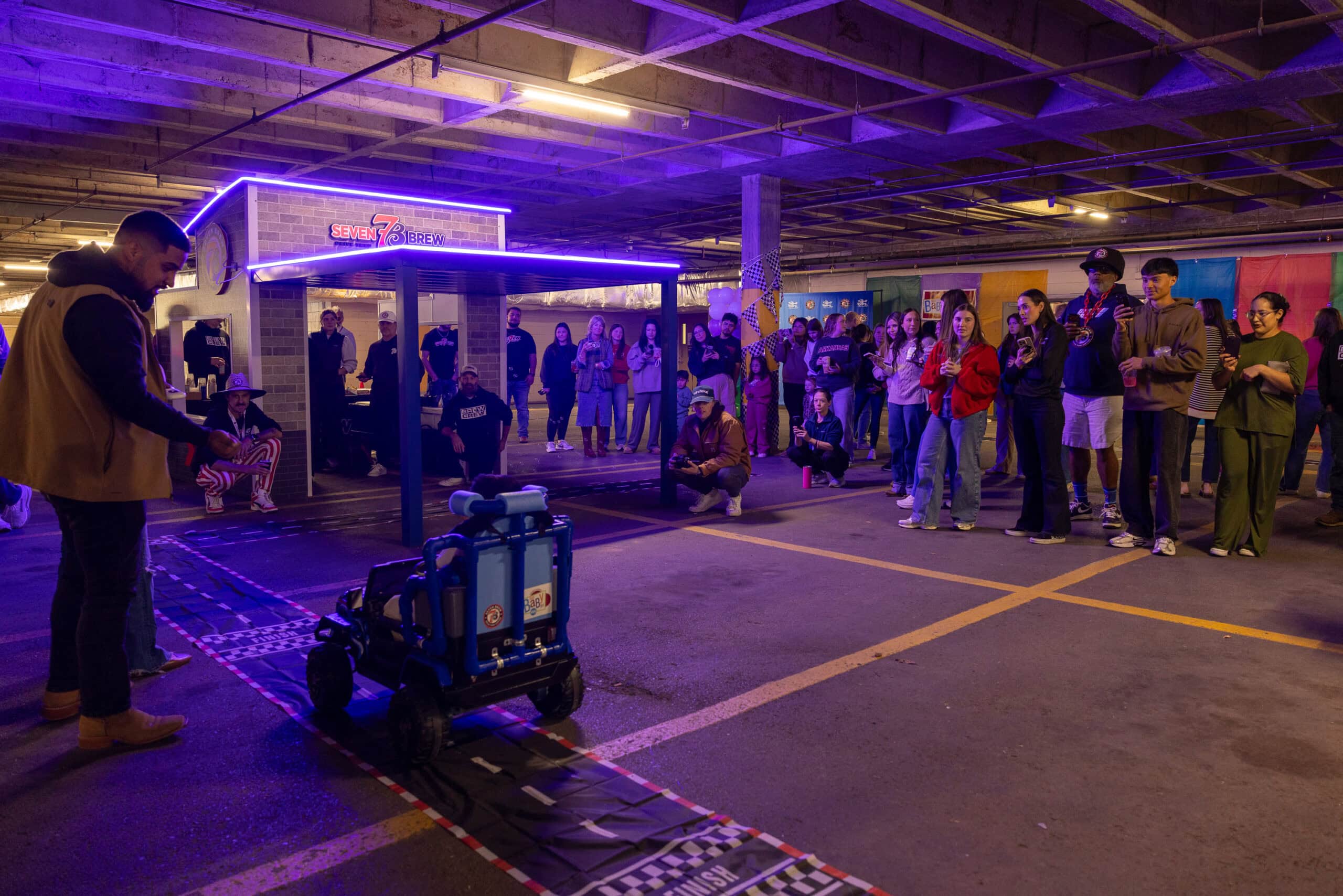
The program is a collaboration between the University of Arkansas for Medical Sciences (UAMS) and the University of Arkansas (UA). It held its first event in October 2024 and distributed three cars to families. This year, the project provided six cars and held its “distribution day” for families on Saturday, Oct. 17, in the underground garage at the UAMS Northwest Regional Campus in Fayetteville.
Go Baby Go has formally recognized 25 branches in the United States. The closest branches to Northwest Arkansas are in Lincoln, Nebraska, and St. Louis. Before 2024, local families seeking Go Baby Go aid were referred to branches more than 300 miles away.
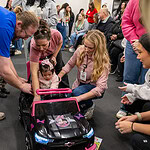
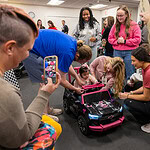
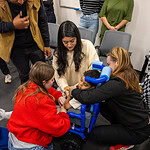
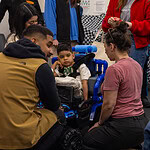
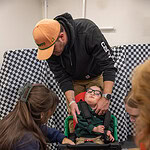
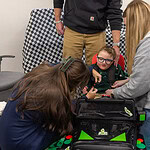
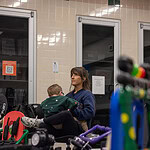
Before distribution day, each of the six participating children and their families completed an assessment with UAMS and UA faculty, clinicians, and students. The assessments identified each child’s specific needs so the cars could be customized.
Participants in the assessments and the modifications of the cars came from the:
- UAMS/UA Occupational Therapy program
- UAMS Physical Therapy program
- UAMS College of Medicine
- UA College of Engineering
Both the Occupational Therapy and Physical Therapy and programs are part of the UAMS College of Health Professions.
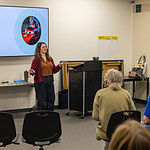
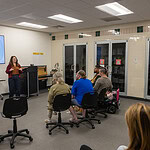
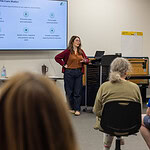
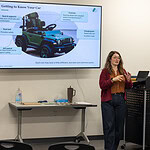
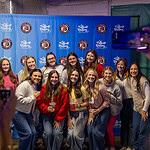
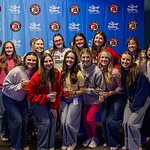
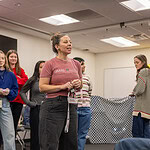
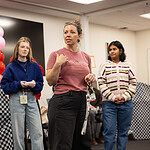
Engineering students were among those who modified the cars, including members of the Biomedical Engineering Student Association, and mechanical engineering senior design teams. They learn the work through a series of hands-on training stations.
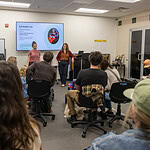
“Because not everyone involved in this project is a healthcare professional, we have to include some training for how to communicate with patients and how to do seating assessments,” said Amanda Troillett, OTD, a UA faculty member overseeing the project.
Troillett said the program aims to enhance student learning opportunities and provide a better experience for the children and families.
“It really is a balancing act of mine because I want it to be a good experience for the kids, but also, I want it to be a great experience for my students,” she said. “I want them to see the value of working with other disciplines, even outside of healthcare professionals. And I want them to see the value of parental input.”
That interdisciplinary approach proved its value early. After the program’s first event, students shifted their focus from the mechanics of the cars to the impact on the families. That shift led to new research projects, including a capstone project by an occupational therapy doctoral student exploring the family experience of using the modified vehicles.
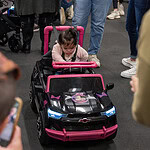
The modified vehicles are not just for fun; they are also a therapeutic tool. Troillett said the cars give the children a whole new experience of movement and of navigating their environment.
“Movement supports development, in all areas” she said. “It also provides an opportunity for families to engage with their communities in a way that was not previously available.”
Families in the program have used the cars in many settings, including community outings and therapy sessions.
“The families can spend time doing something that is therapeutic but fun and not so structured,” she said. “The benefits can almost be greater.”
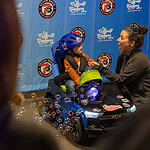
The Go Baby Go project is made possible through partnerships with local organizations. This year’s sponsor, 7 Brew Coffee built a mini 7 Brew for the cars to drive through on distribution day.
7 Brew was also present at this year’s UAMS Day of Giving event in Northwest Arkansas, where the company made a generous monetary donation in honor of Go Baby Go, this year’s featured program in Northwest Arkansas.
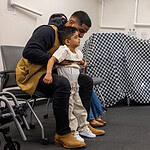
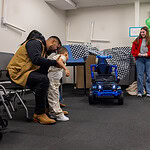
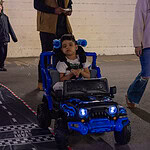
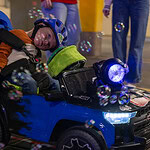
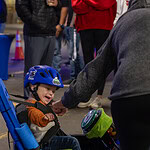
“This year’s Day of Giving in Northwest Arkansas was especially meaningful for many of us,” said Ryan Cork, MHSA, vice chancellor of the UAMS Northwest Region. “I’ll never forget the smiles at the rally when one of the children climbed into his new car and drove it for the very first time.”
The program is open to any child with mobility limitations, regardless of diagnosis. Participants have included children with cerebral palsy, spina bifida, and other neurological conditions. Applications for Go Baby Go NWA open in the summer and are announced and distributed through the Instagram page, #gobabygo.nwa.
“Go Baby Go is just a really fun way to support our families, promote development, and encourage community engagement,” Troillett said.